



Four Dead in House Fire in Higashi-Hiroshima; 90-Year-Old Woman Dies of Heatstroke in Etajima—Reading the Gaps in the System Before the ‘Invisible Isolation’

Related Articles
Deep Midnight at 3:30 AM and Morning at 10:30 AM—What Two Timeframes Reflect
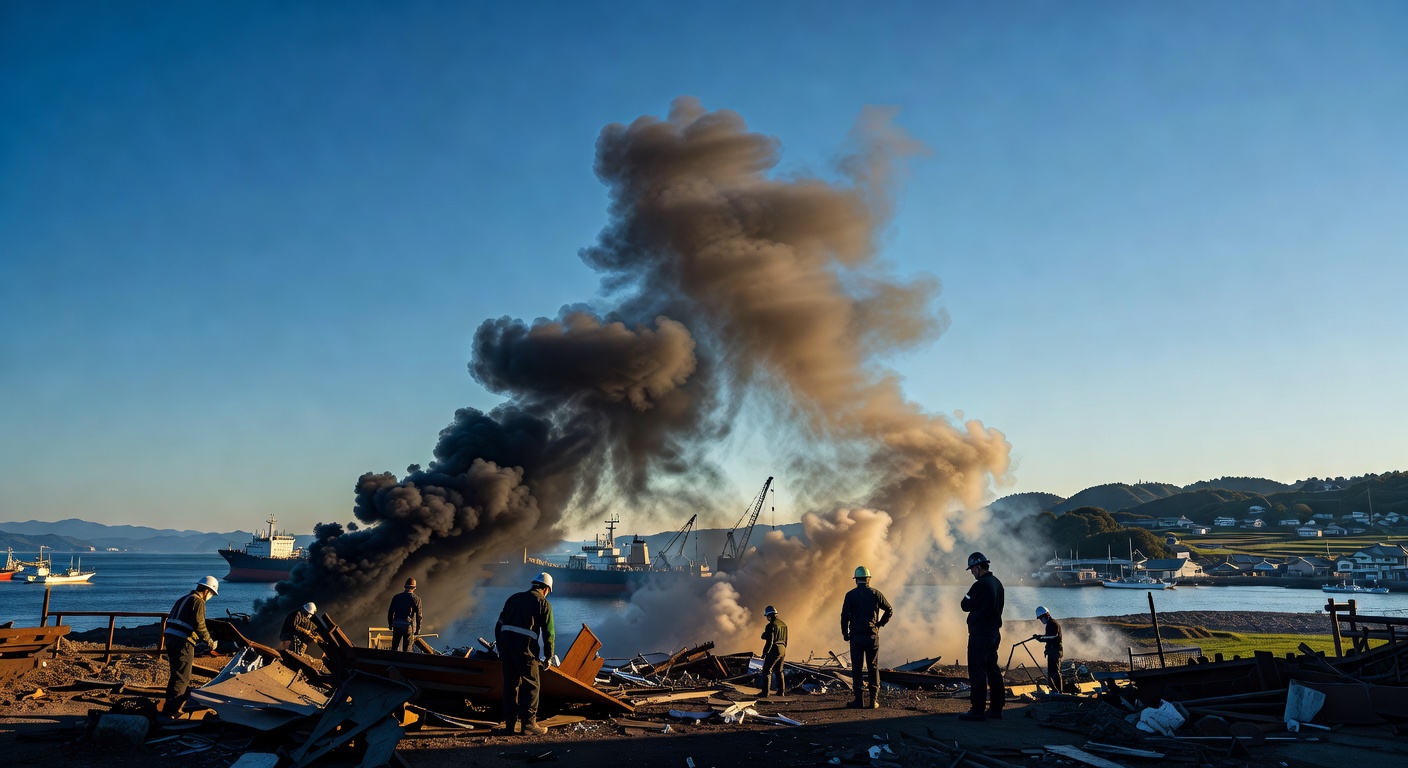
In the early hours of the 5th, a house in Higashi-Hiroshima was completely engulfed in flames, and four bodies were discovered in the ashes. It is reported that by the time the fire was reported, it had already spread throughout the building. Just after 3:30 AM—when the city was at its quietest.
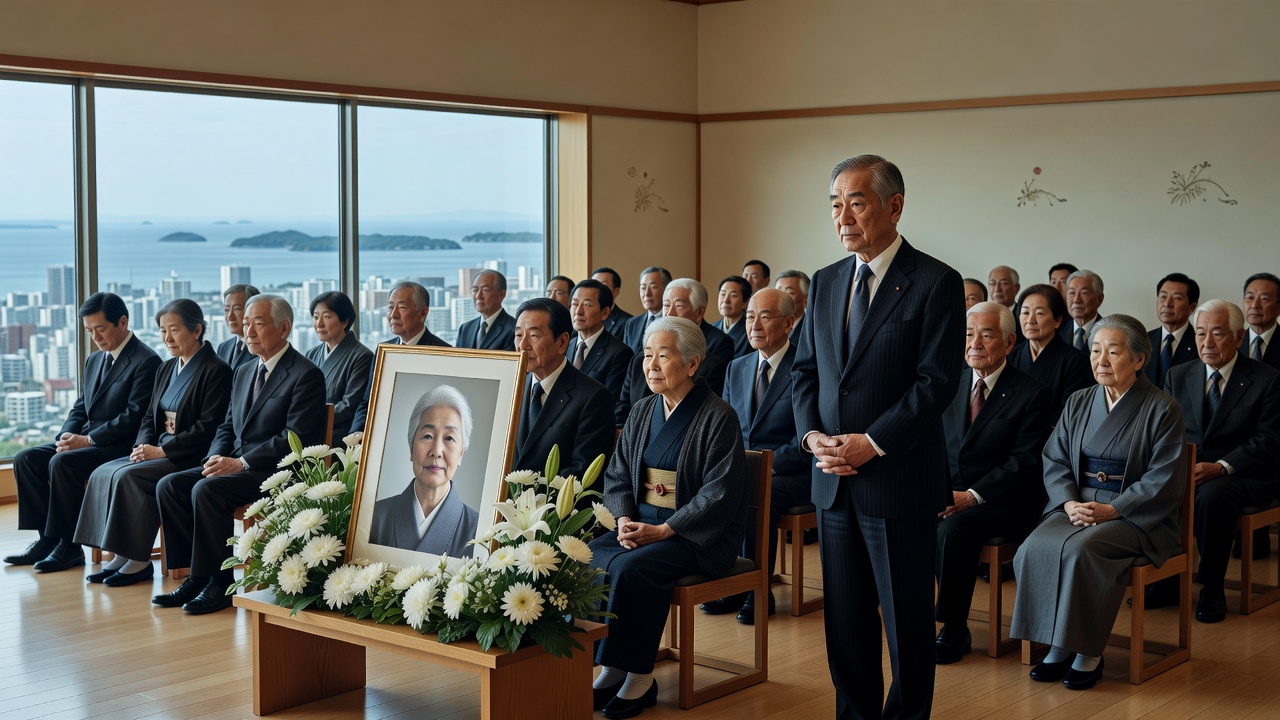
The day before, around 10:30 AM on the 4th, a passerby found a woman in her 90s collapsed on the street in Etajima. By the time the emergency team arrived, the woman was already deceased. The cause of death is believed to be heatstroke.
One incident occurred during the dead of night, while the other took place during the day on the street. The locations and circumstances are entirely different. However, both events share a common structure—the time it took for someone to notice the abnormality fell on the side that cost lives.
This article aims to consider not the investigation into the causes of the accidents themselves, but the questions that lie before that—where is the ‘system for noticing’ and where are the gaps?
Organizing the Facts: What We Know and What We Don’t
First, let’s organize the facts that have been confirmed so far.
House Fire in Higashi-Hiroshima
- Fire broke out just after 3:30 AM on the 5th in a residence in Higashi-Hiroshima
- A wooden house was completely burned down
- Four bodies were found in the ashes, believed to be family members living in the house
- The cause of the fire is under investigation
Heatstroke Death in Etajima
- Around 10:30 AM on the 4th, a passerby discovered a woman in her 90s collapsed on the street
- She was confirmed dead upon transport
- The cause of death is estimated to be heatstroke
- Details about the woman’s living conditions and circumstances of her outing have not yet been publicly disclosed
It is important to note that the cause of the fire remains undetermined, and the living environment of the woman in Etajima has not yet been clarified. We must not mix facts with speculation. However, even by simply laying out the facts, the questions posed by these two incidents become apparent.
Not ‘Delayed Discovery’ but ‘Absence of Noticing Points’
It is easy to write that “discovery was delayed.” However, this phrasing lacks precision. The issue is not that discovery was “delayed,” but rather that there were no points of contact to detect the abnormality during that timeframe—a structural problem.
How many people in a residential area at 3:30 AM would notice the smell of smoke? How many passersby at 10:30 AM on the street would recognize an elderly person sitting down as an “abnormality” and stop to check on them?
This is not merely a matter of individual attentiveness. It is a design issue regarding how many layers of “noticing” as a system are stacked in times and places where human eyes cannot reach.
How Far Do Existing Systems Cover?
There are indeed systems in place to support community safety. However, each has its structural limitations.
The Community Welfare Commissioner System—The Fragility of a People-Dependent System
The Community Welfare Commissioner system is designed to monitor the elderly and those in financial distress in the community. According to statistics from the Ministry of Health, Labour and Welfare, there are approximately 230,000 Community Welfare and Child Welfare Commissioners nationwide. However, as of the 2022 general election, the fulfillment rate was only about 93% on average nationwide, with even lower rates in rural areas.
Hiroshima Prefecture is no exception. In areas where the aging rate exceeds 30%, the commissioners themselves are aging, making it increasingly difficult to secure successors. In urban areas, a single commissioner may be responsible for 200 to 300 households, making even monthly visits physically challenging.
The system exists on paper. However, if there are not enough “people” to operate it, the system becomes a mere illusion. This is where the discrepancy between system design and reality lies.
Monitoring Networks—A Structure That Cannot Function on Goodwill Alone
The “monitoring network” promoted by local governments is a system where local residents, postal services, electric companies, and delivery services, which have regular contact with households, report abnormalities. Several municipalities in Hiroshima Prefecture have established agreements for this purpose.
The strength of this system lies in its ability to embed awareness within “daily routes” rather than relying on “special patrols.” However, the challenges are clear. The criteria for reporting are vague, the psychological burden on those who report is significant, and most importantly—this system does not function during times when “daily routes” are interrupted, such as late at night, early in the morning, or on holidays.
The fire in Higashi-Hiroshima occurred precisely during that gap period at 3:30 AM.
Residential Fire Alarms—The Installation Rate and Its Implications
The installation of residential fire alarms has been mandatory for all homes since the revision of the Fire Service Act in 2006. According to a survey by the Fire and Disaster Management Agency (as of June 2023), the nationwide installation rate is 84.3%. Hiroshima Prefecture is reported to be slightly above this level.
However, caution is needed with this figure. The installation rate only indicates whether alarms are “installed” and does not include whether they “function properly.” There are many alarms that have stopped working due to dead batteries or aging. The Fire and Disaster Management Agency recommends replacement approximately every ten years, but nearly 18 years have passed since the mandate, and many of the devices installed initially may have surpassed their replacement period.
At this point, it is unclear what condition the alarms were in during the recent fire. However, feeling reassured by the figure of “84% installation rate” is merely a superficial check.
Heatstroke Measures—The Limitations of ‘Calls for Awareness’
The number of deaths due to heatstroke can exceed 1,000 annually nationwide. According to population dynamics statistics from the Ministry of Health, Labour and Welfare, approximately 80% of the deceased are elderly individuals aged 65 and older. In Hiroshima Prefecture, local governments and fire departments call for “frequent hydration” and “use of air conditioning” every summer.
However, there are people who do not receive these calls. Those with cognitive decline may not be aware of the heat, individuals may avoid using air conditioning due to concerns about electricity costs, and elderly individuals living alone may have limited opportunities to access information. We still do not know the specific situation of the woman in Etajima. However, it has been repeatedly proven that there are indeed layers of people who cannot be reached by mere “calls for awareness.”
The Cost Issue—Not ‘How Much It Costs’ but ‘What It Is Being Used For’
Strengthening systems incurs costs. However, the question should not be “how much is needed,” but rather, “is the budget that is already being used aligned with reality?”
Hiroshima Prefecture allocates several hundred million yen annually for community welfare-related budgets. Each municipality’s disaster prevention plan includes items related to the enhancement of firefighting capabilities and support for vulnerable individuals. The issue is whether that budget is being used for “maintaining the system” or for “updating the mechanisms that actually reach people.”
For example, monitoring systems for elderly individuals living alone utilizing IoT sensors are increasingly available as services that can be implemented for several hundred to several thousand yen per household per month. Systems that detect changes in electricity usage or abnormal room temperatures have the potential to compensate for “times when human eyes cannot reach” through technology. It will be important to observe how far such technologies are being considered in regions like Higashi-Hiroshima and Etajima in the future.
Additionally, promoting the replacement of residential fire alarms is one of the relatively low-cost measures that can be implemented. Some municipalities are already providing subsidies or distributing devices costing around 2,000 to 3,000 yen each to elderly households.
Finding a large new budget is not the only solution. Within existing systems, the precision of what and how to reallocate resources to address “gap periods” and “unreachable layers” is crucial.
What to Watch for Moving Forward
These two incidents may be reported as individual accidents and may eventually fade into the flow of news. However, the underlying structure—the issue of “absence of noticing points”—will repeat itself in different forms next summer and next winter.
Key points to pay attention to include:
- Results of the fire cause investigation in Higashi-Hiroshima: If the cause of the fire and the installation and operational status of alarms are clarified, it will provide material to verify the effectiveness of residential fire prevention measures.
- Information about the living environment of the woman in Etajima: Was she living alone, or was she a subject of monitoring? Was she part of the existing system, or was she someone who fell through the cracks?
- The actual state of monitoring systems in various municipalities in Hiroshima Prefecture: Not just whether they exist as a system, but whether they are actually functioning.
Only when this information emerges can we concretely discuss “what was lacking.”
—Who Is the System There to Ease?
Community Welfare Commissioners, monitoring networks, fire alarms, and heatstroke awareness calls—all are “systems.” However, a system has no meaning merely by existing. It becomes a system only when it actually operates, reaches out, and picks up on someone’s abnormality.
At 3:30 AM in a residential area, and at 10:30 AM on the street, there may have been moments when someone could have noticed. The question is whether we can design that “might have been” as a system rather than leaving it to individual goodwill or chance.
The question is always the same. Who is this system there to ease? Continuously questioning that will provide clues to narrowing the next gap.


 JA
JA EN
EN