



Miyajima Fireworks Cancelled Again in 2026, Iwakuni to Feature 2-Shaku Fireworks, and Onomichi to Hold Sumiyoshi Fireworks – Divergence Between Towns with Ongoing Fireworks Festivals and Those That Have Stopped in Setouchi

Related Articles
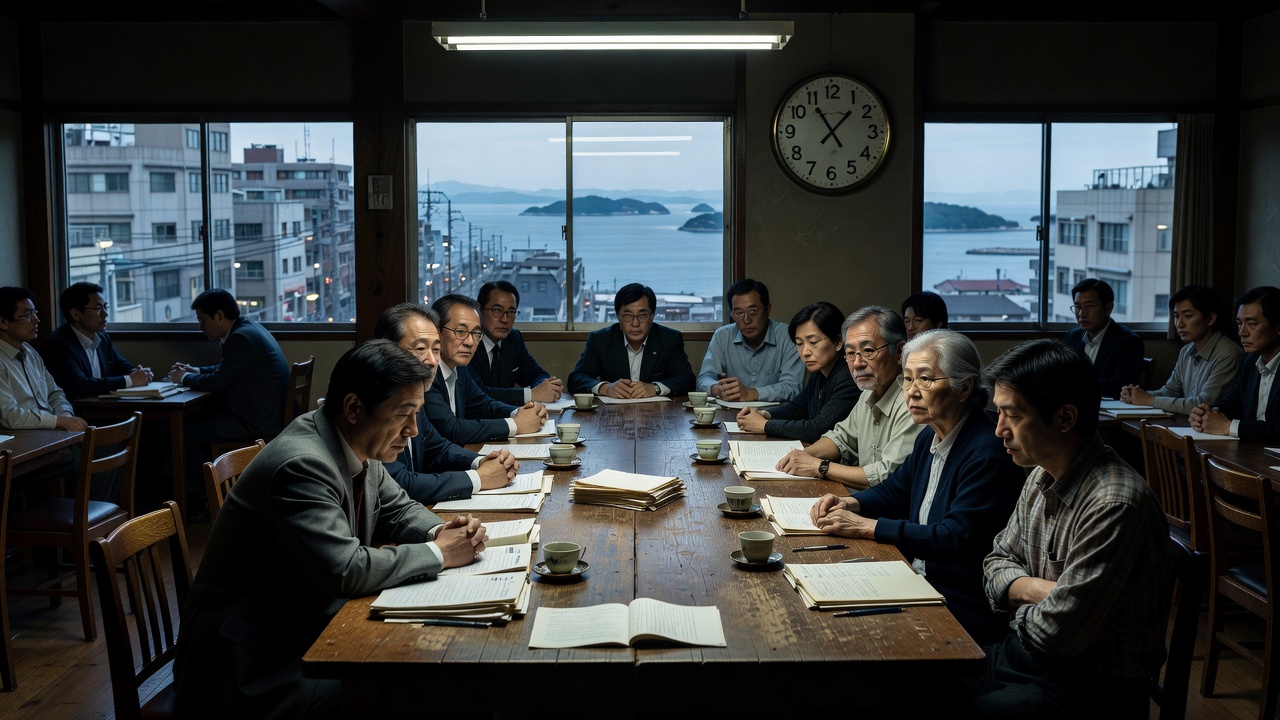
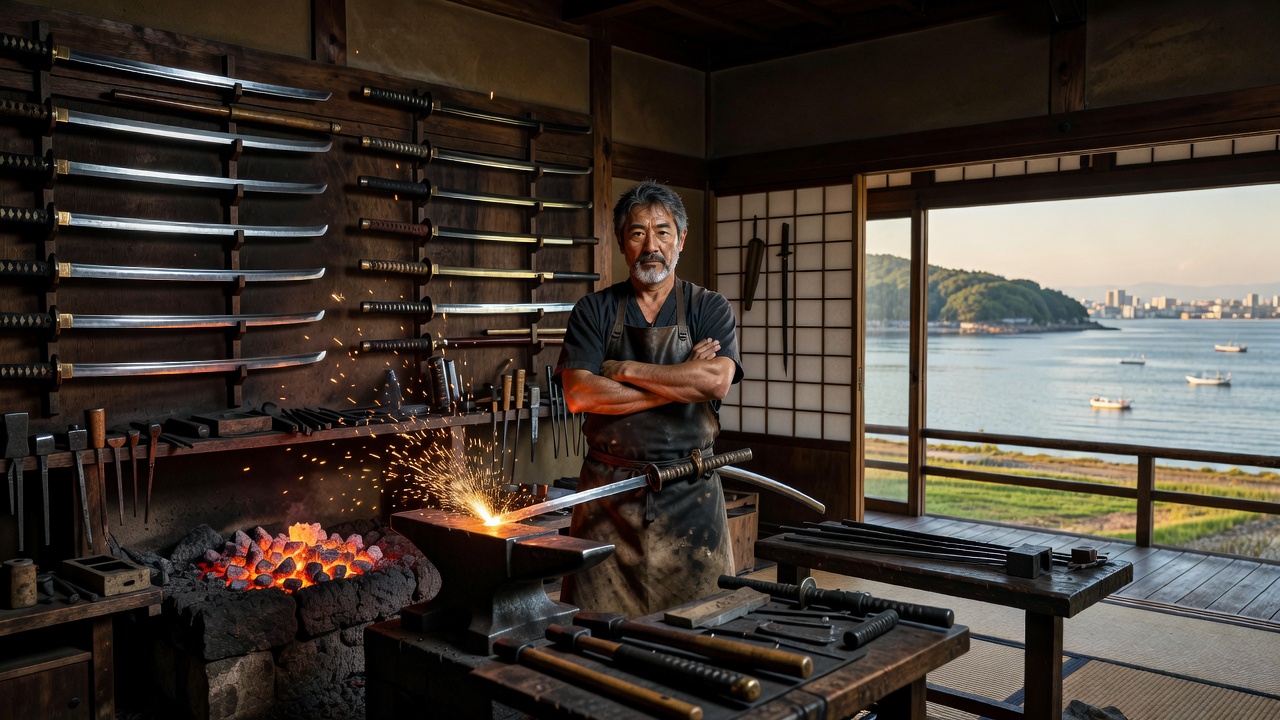
Under the Same Setouchi Night Sky, a Divide Between Light and Shadow
Three towns facing the Seto Inland Sea—Miyajima, Iwakuni, and Onomichi. Each is a waterfront town where, during summer, fireworks would arc beautifully over the sea. However, in 2026, that picturesque scene will not come together.
The Miyajima Underwater Fireworks Festival has been on hiatus since 2019, and it has been confirmed that it will not take place in 2026 either. On the other hand, the Iwakuni Port Minato Festival Fireworks is scheduled to feature 2-shaku fireworks, and preparations for Onomichi’s Sumiyoshi Fireworks Festival are proceeding as usual.
The difference is not in the technology or beauty of the fireworks themselves. The question lies in “who is running that one night, and how is it structured?” What separates the towns that continue from those that have stopped is not the splendor of the festival, but rather the differences in the underlying structures.
—
Miyajima – The Constraints of “Holding It on an Island” Have Exceeded Limits
The Miyajima Underwater Fireworks Festival began in 1973 and has continued for nearly half a century. Known for its unique scenery with the silhouette of the iconic torii gate of the World Heritage Site, Itsukushima Shrine, the underwater fireworks launched from the sea attracted around 50,000 visitors at its peak.
However, the condition of “holding it on an island” has gradually tightened the operational constraints.
First, there is the issue of access. The only way to reach Miyajima is by ferry. After the festival ends, tens of thousands of people head to the pier all at once—safely managing this flow requires deploying guides throughout the island, managing boarding lines, and establishing emergency response systems to prepare for potential crowd crushes or falls into the sea. Coordinating with various agencies such as the city of Hatsukaichi, Hiroshima Prefectural Police, the Japan Coast Guard, ferry operators, and local fire departments involves a massive amount of work.
The rising costs of security have also become a serious issue. Nationwide, the costs of security for fireworks festivals have significantly increased over the past decade. A shortage of personnel in the security industry, combined with heightened societal concern over crowd accidents following the 2022 Itaewon tragedy in Seoul, has led to increased costs per person and higher standards for the number of personnel required. In a closed space like an island, the design of “escape routes” is even more critical, making costs structurally higher than for festivals held on flat land.
Additionally, there is a gap in operational personnel. Since the last festival in 2019, a hiatus of over three years due to the COVID-19 pandemic has occurred. The festival’s arrangements cannot be fully documented—who stands where and what decisions are made at what time. Those with that tacit knowledge have left the scene, and time has passed without any opportunity for handover. While Hatsukaichi City has not completely denied the possibility of resuming the festival, it maintains that “it is difficult to restart without a system that can ensure safety.”
It is not the fireworks that have stopped. It is the structure that supported the fireworks.
—
Iwakuni – The “Circuit of the Port Town” Continues with 2-Shaku Fireworks
The Iwakuni Port Minato Festival Fireworks are scheduled to take place in 2026. The highlight is the 2-shaku fireworks that bloom to a diameter of approximately 480 meters. As a summer tradition in eastern Yamaguchi Prefecture, it attracts tens of thousands of visitors every year.
Why can Iwakuni continue? One reason is the geographical advantage of being held at a “port.” The area around Iwakuni Port has ample flat land, making it relatively easy to disperse the audience and secure pathways. Unlike an island with limited exits, it can design evacuation routes in multiple directions. The flexibility of the security plan is fundamentally different from that of Miyajima.
Another reason is the long-standing collaboration between local business organizations and the government. Centered around the Iwakuni Chamber of Commerce, local corporate sponsorship, government subsidies, and volunteer mobilization function as an annual “circuit.” The accumulation of practical experience in arranging fireworks, contracting with security companies, and applying for traffic regulations has not been interrupted, forming the foundation for continuity.
The 2-shaku fireworks are not just a spectacle. The pride in being a town that can launch such large fireworks also serves as a magnet for sponsorship. The scale of the fireworks supports the operational structure, and the structure enables the scale of the fireworks—this cycle is in motion.
—
Onomichi – The “Context of the Festival” in Sumiyoshi Fireworks
The Sumiyoshi Fireworks Festival in Onomichi is held in conjunction with the summer festival of Sumiyoshi Shrine. Its origins date back to the Edo period, with fireworks launched between Onomichi and Mukaishima across the Onomichi Strait. The audience size is around 30,000, smaller compared to Miyajima and Iwakuni, but it is closely tied to the town’s daily life.
One reason Onomichi can continue is that this “context as a festival” is alive. It is not just a standalone fireworks event, but is positioned within the religious and cultural framework of the Sumiyoshi Shrine’s festival. The shrine’s parishioner organization, local shopping districts, and fishing cooperatives each have roles within the festival, and the fireworks are repeated as part of that.
The area along the Onomichi Strait, where the festival takes place, has the topographical advantage of elevation changes typical of a hilly town, allowing the audience to naturally disperse. Some viewers look down from the slopes of Senkoji Mountain, while others gaze up from the coastal road, and yet others view from the Mukaishima side—this multi-layered perspective helps prevent excessive concentration in one location.
Additionally, in recent years, Onomichi City has accumulated know-how in traffic measures and safety management in response to the increase in tourists, through events related to the Shimanami Kaido. The integration of fireworks management into year-round tourism management supports sustainability.
—
The “Invisible Security Line” on the Sea – Efforts by the Hiroshima Coast Guard
Fireworks festivals in Setouchi face unique challenges not only on land but also in terms of maritime safety management. The Hiroshima Coast Guard calls for accident prevention at sea every summer during the fireworks season.
As the number of pleasure boats and fishing vessels viewing the fireworks from the sea increases, messages about “thorough vigilance,” “constant wearing of life jackets,” and “prohibition of drinking while operating boats” are repeatedly communicated. Accidents can occur when one loses sight of the distance to other vessels while mesmerized by the fireworks.
The Coast Guard deploys patrol boats and enforces maritime traffic regulations on the day of the fireworks festival. Setting up restricted areas around the launch site, designating anchoring positions, and ensuring emergency evacuation routes—these measures may not be visible to the audience, but they are prerequisites for the safe launch of fireworks.
Maintaining this “invisible security line” requires personnel and budget. Staffing the Coast Guard, coordinating with local fishing cooperatives, and negotiating with port managers involve complex arrangements behind the scenes of the fireworks festival, where multiple organizations work together on both land and sea.
—
The Divergence is Not in the “Quality of Fireworks” but in the “Thickness of the Structure”
When comparing the three towns, it becomes clear that the continuation or cancellation of fireworks festivals is not determined by the allure of the fireworks themselves.
Miyajima possesses the overwhelming content of a World Heritage landscape and underwater fireworks but cannot resume due to access constraints and a breakdown in the operational system. Iwakuni continues with its geographical advantages as a port and a circuit of sponsorship and operations centered around local business organizations. Onomichi is supported by the context of the shrine’s festival, the topography of a hilly town, and the know-how of year-round tourism management.
In other words, the divergence lies in the “thickness of the structure.”
A fireworks festival may seem like a one-night event, but to make that night happen, security plans are organized months in advance, sponsorship funds are gathered, volunteers coordinate, the Coast Guard decides on the deployment of patrol boats, and traffic regulation signs are printed. The network of people and organizations responsible for each of these arrangements constitutes the “structure,” and when that structure breaks down, the fireworks will not go up.
The three years of the COVID-19 pandemic created gaps in this network in many regions. Towns that have been able to resume have maintained connections during the hiatus. Towns that could not resume are those where the costs and time required to restore the structure could not be covered by the current system. This is not a matter of good or bad; it is an issue of conditions and structure.
—
The Question Ahead is “Whose Convenience Does This Structure Serve?”
When considering the sustainability of fireworks festivals, there is another question before the inquiry of “how can we continue?” That question is, “Whose convenience does this structure serve?”
A structure where the burden is concentrated solely on the operators will eventually break down. A structure where sponsoring companies continue to contribute out of obligation will not last long. A structure where the audience remains merely “spectators” will lead to the exhaustion of those supporting it.
The reason the Iwakuni Chamber of Commerce can gather sponsorship is likely because there is a tangible sense that the fireworks festival contributes to the local economy. The reason the parishioner organization in Onomichi takes action is that the festival is part of their daily lives. The structure operates when there is a circuit that allows each person involved to feel, “This is my concern.”
If the day comes when the fireworks of Miyajima rise again, it will not just be a day when a budget is allocated—it will be the day when the safety of the island is redesigned, and the operators feel that “this can be managed” within the established structure.
I hope to patiently await the year when the fireworks of the three towns illuminate the summer night sky of Setouchi.


 JA
JA EN
EN