



Ferry’s ‘Overcapacity’, Bus Drivers Coming from Abroad, All College Students in the Draft—Hiroshima’s Three Answers to the ‘Lack of People’

Related Articles
Ferry’s ‘Overcapacity’, Bus Drivers Coming from Abroad, All College Students in the Draft—Hiroshima’s Three Answers to the ‘Lack of People’
At 7 AM on the Onomichi Strait, middle and high school students who couldn’t board the ferry are left waiting on the dock for the next service. In Higashi-Hiroshima, a young man from Indonesia is preparing to take the wheel of a bus. Meanwhile, at Mazda Stadium, a draft meeting concludes with no high school students being called—.
The three scenes are vastly different in industry and scale. Yet when placed side by side, a common question arises: How does one manage operations when there is no time to nurture talent? Let’s examine Hiroshima’s current situation through these three answers.
—
1. Onomichi Ferry—’Overcapacity’ Reflects the Limits of the System
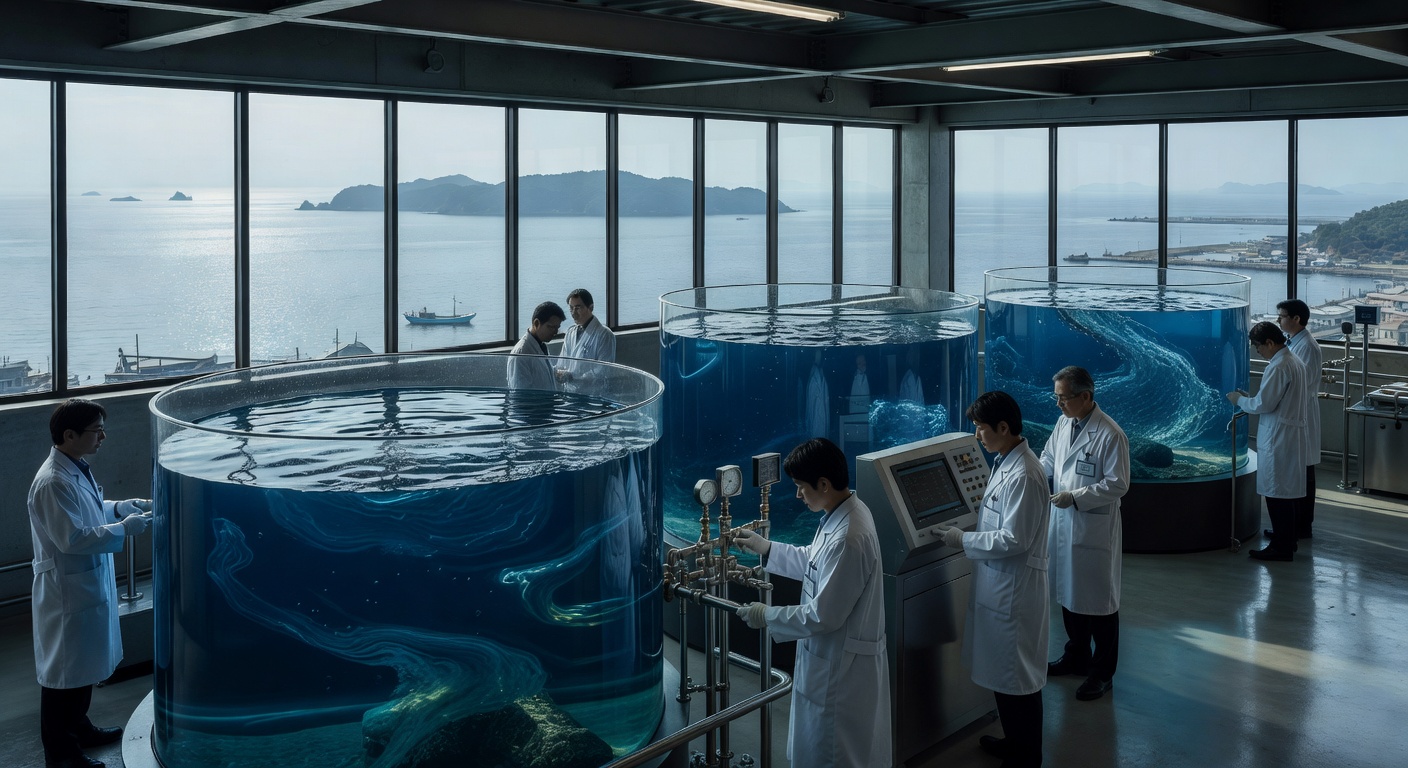
The ferry connecting Onomichi City and Mukaishima is a daily means of transportation for residents, alongside bridges. The route is just a few hundred meters long, taking about three minutes. Many middle and high school students use this short waterway as their commute.
However, in 2024, ‘overcapacity’ on the ferry became the norm. Due to a shortage of crew members, services were reduced, leading to students being unable to board during peak morning hours. Schools responded by implementing staggered attendance, ensuring that students who were late would not be penalized. In other words, schools are adjusting their schedules to fit the ferry’s timetable. This reversal shows that transportation is altering the structure of education.
The underlying issue is the structural fragility of the profession of ferry crew members. The aging rate among domestic seafarers is high nationwide, with statistics from the Ministry of Land, Infrastructure, Transport and Tourism indicating that nearly half are over 50 years old. The ferry operators in Onomichi are no exception. The system, where small operators manage multiple routes, means that the absence of just one crew member can lead to service reductions. A lack of redundancy in the system collapses the moment the workforce diminishes.
It is important to note that the issue of overcapacity is not merely about a decline in service quality. The ferry is part of the urban structure for Onomichi City and serves as a boundary for the living area of Mukaishima residents. A reduction in ferry services means a contraction in the contours of life on the island. Inability to commute to school, difficulty in accessing medical care, and challenges in shopping—all these issues arise from a lack of transportation, diminishing the totality of what the community can accomplish.
The city is reportedly considering support measures to secure crew members, but specific institutional designs have yet to be seen. The challenge lies not only in ‘increasing the number of people’ but also in redesigning the system, including scheduling, the scale of the ferries, and the division of roles with bridges.
—
2. Higashi-Hiroshima Buses—’Driving Hands’ That Cross the Sea
While Onomichi struggles with a lack of personnel, the bus company Geiyo Bus in Higashi-Hiroshima has found a different solution. In 2024, they welcomed foreign bus drivers from Indonesia using the Specified Skilled Worker program. This marks the second initiative of its kind in Hiroshima Prefecture.
The Specified Skilled Worker category for ‘Automobile Transportation’ was added in March 2024 and is a relatively new field. The system has only just begun to be implemented, and there are still many uncertainties for the accepting companies. Requirements for Japanese language proficiency, obtaining a Japanese large vehicle license, and safety training—these hurdles are not low. Nevertheless, the company likely took this step out of urgency, realizing that they could not maintain their routes by waiting.
The Indonesian driver who joined the company reportedly expressed a desire to “be a driver that my family can be proud of.” This statement reflects not only his personal ambition but also the relationship with his family back home, his commitment to living in Japan, and respect for his profession. It is a sentiment worth taking at face value.
However, it would be premature to conclude that the arrival of foreign workers solves the problem. The Specified Skilled Worker program has a maximum residency period and is not designed with permanent residency in mind. This means that the same issue could arise again in a few years. The question now is how to create a system where people ‘settle’ rather than just being ‘procured’—the next stage of the system is being called into question.
The shortage of bus drivers is not unique to Hiroshima. Bus operators nationwide are being forced to reduce services or discontinue routes. According to a survey by the Ministry of Land, Infrastructure, Transport and Tourism, the effective job openings-to-applicants ratio for bus drivers has remained more than double the average for all occupations in recent years. The initiative in Higashi-Hiroshima is both a clever solution for one company and a microcosm of the choices facing regional transportation across Japan.
—
3. Carp’s Draft—The Price of Time Reflected in ‘Zero High School Students’
In the 2024 professional baseball draft meeting, the Hiroshima Toyo Carp selected a total of nine players: six under contract and three developmental players. All of them are college students. There were no high school players selected, marking the first time in the team’s history.
The Carp has long been known as a team that focuses on development. Lacking the financial power of other teams, they have nurtured high school players into key contributors—names like Tomonori Maeda, Hiroki Kuroda, and Kenjiro Nomura tell that story. Yet this team did not draft a single high school player, the very entry point for development.
It is easy to label this as a preference for ‘immediate impact.’ However, a deeper structural analysis is warranted. Generally, it takes three to five years to develop a high school player into a professional. During that time, resources such as coaching time, game opportunities, dormitory space, and coaching staff are necessary. In other words, ‘development’ requires not only time but also organizational bandwidth.
Does the current Carp have that bandwidth? The 2024 season ended with the team in fourth place, making generational change urgent. Since the appointment of manager Takahiro Arai, the team has been in a rebuilding phase. Waiting three years for a high school player now weighs heavily on fans, the front office, and the players themselves. The decision to draft nine college students reflects a choice to prioritize ‘immediate action.’
This structure is remarkably similar to the situations with the ferry and the bus. While there is a desire to develop talent, operations cannot come to a halt during that time. Thus, the demand is for ‘immediately usable individuals.’ This decision is rational, but all parties understand that the same question will arise again in a few years.
—
What the Three Scenes Indicate—The Absence of ‘Bandwidth’
The ferry reduced services without the capacity to train crew members. The bus company reached out to overseas workers without the time to train drivers domestically. The Carp focused entirely on college students without the bandwidth to develop high school players.
What is common across these three scenes is that the pressure of ‘current shortages’ is crushing the time needed to ‘nurture the future.’ This is not just a story about Hiroshima. The same dynamics are at play in various sectors across Japan. Caregiving, construction, logistics, education—repeated references to ‘immediate impact’ in every field are, in essence, a declaration of ‘lack of capacity to nurture.’
However, there is something to consider here. Managing operations through systems is not inherently negative. In fact, systems that do not rely on individual efforts are what create sustainable environments. The problem arises when these systems become fixed as mere ‘stopgap measures.’
Welcoming foreign bus drivers through the Specified Skilled Worker program. Structuring a draft centered on college students. Responding to ferry service reductions with staggered school attendance. Each of these is a rational decision made to ‘manage the present.’ However, the meaning of these systems changes entirely based on whether a circuit for ‘nurturing the next generation’ is integrated into them.
Whether the bus company in Higashi-Hiroshima can welcome foreign drivers as partners in regional transportation rather than as temporary labor. Whether the Carp can establish a system to draft high school players again in the coming years. Whether Onomichi City can design a framework that not only secures crew members but also hands over the very urban structure of the ferry to the next generation.
‘Managing the present’ and ‘nurturing the future’ should not be seen as mutually exclusive. The ability to create a system that runs both simultaneously will determine the very vitality of the region.
—
Middle and high school students waiting for the next ferry on the morning dock. A young man from Indonesia gripping the bus wheel for the first time. College students whose names were called in the draft. The individuals standing in these three scenes have each chosen to ‘act here and now.’ Whether that choice ends as a stopgap measure or becomes the first step toward a new system—the answer lies in what Hiroshima will create moving forward.


 JA
 EN