



The Sea of Mass Death of Oysters, the Mountain of 640 Bear Sightings, and the Fastest Opening of Mount Kourakan in 20 Years—The ‘Natural Clock’ of Setouchi Has Started to Go Awry

Related Articles
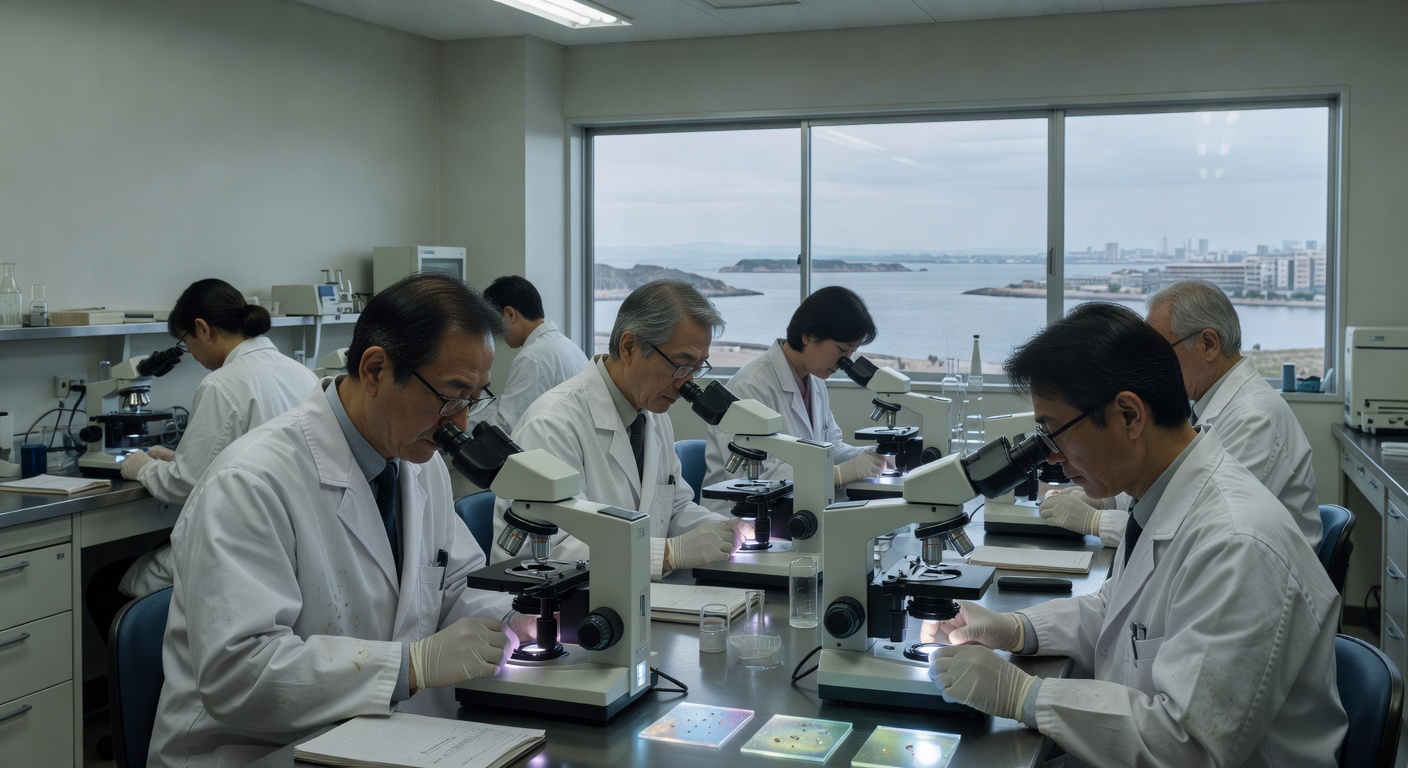
The Sea, the Mountain, and the Snow Are All Deviating from ‘Normal’ at the Same Time
Oysters in Hiroshima have been experiencing mass deaths for two consecutive years. In the mountains, the number of bear sightings has exceeded 640, the highest in the past five years. Meanwhile, Mount Kourakan Snow Park has recorded its earliest opening in 20 years.
The sea, the mountains, and the snow—each is experiencing different phenomena in distinct natural environments. However, there is one commonality: all are deviating from the ‘normal schedule’ of previous years.
The timing for oyster larvae to grow, the period when bears descend from the mountains, and the onset of snowfall—nature has an implicit calendar that people have relied on in their daily lives. This calendar is now starting to shift simultaneously in multiple locations. It is easy to treat each anomaly as an isolated incident. However, when viewed together, a slightly different landscape emerges.
—
The Sea of Oysters—The Silence of a Beach Where ‘90% Have Died’
Hiroshima Prefecture accounts for about 60% of the nation’s oyster production. The cultivation centered around Hiroshima Bay has been the backbone of the region’s industry and food culture. Yet, this sea has suffered severe blows for two consecutive years.
In the 2024 season, in some areas where harvesting was allowed, up to 90% of the cultivated oysters have died. Last year also saw mass deaths, resulting in what fishermen describe as ‘devastating damage for two consecutive years.’ The growth of oysters has been delayed, with many not reaching the size suitable for shipment, leading to a significant decrease in catch volume.
The abnormal rise in sea surface temperatures during the summer is cited as a contributing factor. In recent years, there have been more days when the surface water temperature of the Seto Inland Sea exceeds 30 degrees Celsius. High temperatures not only hinder the growth of oyster larvae but also reduce their resistance to pathogens. Additionally, there is a decrease in nutrient salts—once referred to as the ‘red tide sea,’ the Seto Inland Sea is becoming a ‘too clean sea’ due to improved water quality, which has led to a shortage of nutrients that feed plankton.
It is important to be cautious about the use of expressions like ‘risk of extinction.’ While the mass deaths of cultivated oysters undoubtedly represent serious industrial damage, it is necessary to distinguish this from the extinction risk of the entire natural oyster resource. The core issue is that the farming system, which has been based on the premise that oysters ‘grow in the same way at the same time every year,’ can no longer keep pace with changes in the sea.
The production value of oyster farming in Hiroshima Prefecture is estimated to be around 20 billion yen in good years. If this drops significantly for two consecutive years, the ripple effects on downstream industries such as processing, distribution, restaurants, and tourism facilities are unavoidable. The silence of the beach quietly resonates through the town’s economy.
—
The Mountain of Bears—640 Sightings Reflecting the ‘Shifting Boundary’
While the sea shows signs of abnormality, the mountains are also disrupting their traditional balance.
In Hiroshima Prefecture, the number of bear sightings exceeded 640 in 2024, the highest in the past five years, prompting the prefecture to announce efforts to ensure safety, including the capture of dangerous individuals.
Looking at the numbers alone, one might conclude that ‘the bear population has increased.’ However, experts point out that it is not just an increase in numbers but also a change in their behavior range—meaning bears may be moving from their traditional habitats closer to human settlements. The background to this is the instability of the mountain’s bounty. The nuts of beech and konara trees (acorns) fluctuate greatly in abundance. In years of poor harvest, bears lack food, causing the ‘boundary’ between their habitat and human living areas to become blurred.
This boundary has not only been protected by physical barriers. The coexistence of sufficient food in the mountains and the presence of humans in the settlements has established an implicit division. However, the declining and aging population in rural areas is thinning out the ‘human presence.’ The increase in abandoned farmland is causing the buffer zones of satoyama, which were once maintained by human hands, to lose their function.
Thus, the figure of 640 bear sightings reflects not only the bear issue but also changes on the human side—depopulation and gaps in satoyama management. The schedules of the mountains and the lives of people are both deviating.
—
The Snow of Kourakan—What the Fastest Opening in 20 Years Asks Us
Located on the border between Hiroshima and Shimane Prefectures, Mount Kourakan Snow Park recorded its earliest opening in the 2024 season in the past 20 years.
At first glance, the early opening of the ski resort seems like good news. More operating days mean more opportunities for revenue, which is likely welcome news for local tourism operators. However, there are reasons to be cautious about this ‘speed.’
Recent weather patterns show that years with early first snow do not necessarily guarantee stable snowfall throughout the season. In fact, there is a tendency for greater fluctuations in temperature, leading to an increase in irregular cycles of ‘opening early, snow disappearing midway, and then snowing again.’ Ski resort operations plan staffing and lift operations based on the assumption of stable snowfall. Unpredictable weather increases business uncertainty.
Moreover, in the long term, snowfall in the Chugoku Mountains of western Japan has been on the decline. According to data from the Japan Meteorological Agency, average winter temperatures have risen over the past 30 years, shortening the period during which ski resorts can maintain operational snowfall. When viewed in the context of this larger trend, the fastest opening in 20 years stands out as an ‘abnormally early point’ amidst a ‘long-term shrinking trend,’ presenting a somewhat unsettling picture.
—
The Common Structure Connecting These Three Phenomena—The ‘Assumptions of the System’ Are Changing
Oyster farming, coexistence with bears, and ski resort management—these three are entirely different industries, each dependent on different natural environments. However, they share a common structure.
All are built on the premise that ‘nature operates as it has in previous years.’
Oyster farming relies on a seasonal rhythm where sea temperatures remain within a certain range and nutrient salts are adequately supplied. Coexisting with bears assumes a consistent cycle of mountain bounty and that the buffer zones of satoyama are maintained by human hands. Ski resort management is based on the expectation that it will snow in winter and continue to accumulate for a certain period.
That ‘premise’ is now simultaneously shaking in multiple locations.
This includes issues that go beyond individual countermeasures—such as developing heat-resistant oyster varieties, enhancing bear capture efforts, and introducing artificial snow machines. Of course, technical responses at each site are essential. However, the fundamental reality is that the natural calendar itself is being rewritten, and there is a need to update the ‘assumptions’ of the system.
—
Who Benefits from This?—A Perspective That Needs Reevaluation
When discussing ‘measures against climate change,’ the conversation often revolves around large policies or technological innovations. However, for oyster fishermen in Setouchi, residents of rural areas, and employees of ski resorts, the issues are much more concrete and pressing.
If oysters die again next year, they will have no choice but to go out of business. If bears appear in the back mountain, they will have to change the school routes for children. If snowfall is unpredictable, they cannot plan for winter employment.
What is needed is to translate the recognition that ‘nature has changed’ into the mechanisms of each site. Experiments to review the timing and methods of farming, new systems for maintaining the buffer zones of satoyama, and flexible business models based on snowfall predictions—these are all mundane arrangements that lack glamour. However, it is always such behind-the-scenes structures that support the field.
Hiroshima Prefecture is reportedly considering expanding the research budget for damage reduction in oyster farming and strengthening bear countermeasures for the 2025 fiscal year. How well these administrative movements align with the realities on the ground will be a key focus moving forward.
—
Future Points of Interest
In the short term, the growth status of oysters in the 2025 season will serve as the first litmus test. If there are mass deaths for three consecutive years, it could force a transformation of the industrial structure itself. Regarding bears, tracking not only the number of sightings but also changes in their activity areas—specifically, which regions and at what times they are increasing—will provide a clearer picture of how the boundary is breaking down. The snow at Kourakan will need to be analyzed in conjunction with the trends in total snowfall and operating days over the season, compared to data from the past 20 years.
And when viewed over a longer time frame, the question will be how far the region of Setouchi can incorporate the changes in nature into its systems.
The temperature of the sea is changing, the bounty of the mountains is fluctuating, and the snowfall is becoming unpredictable. Yet, there are still people living and working in this land. The process of quietly updating the systems that support their daily lives to align with the changing nature—this is where the sustainability of the region lies.
These three anomalies serve as three warnings and, at the same time, three questions. This change benefits some while putting pressure on others. Finding the answer is not a matter of data or policy but rather the next move of those who continue to work on the ground.


 JA
 EN