



Hirogin Partners with Osaki Kamijima, Hiroshima Andersen Supports Blueberries—The Shape of the Island’s Economy Circulating with ‘Continued Connections’

Related Articles
A Framework Built on an Island Without Bridges
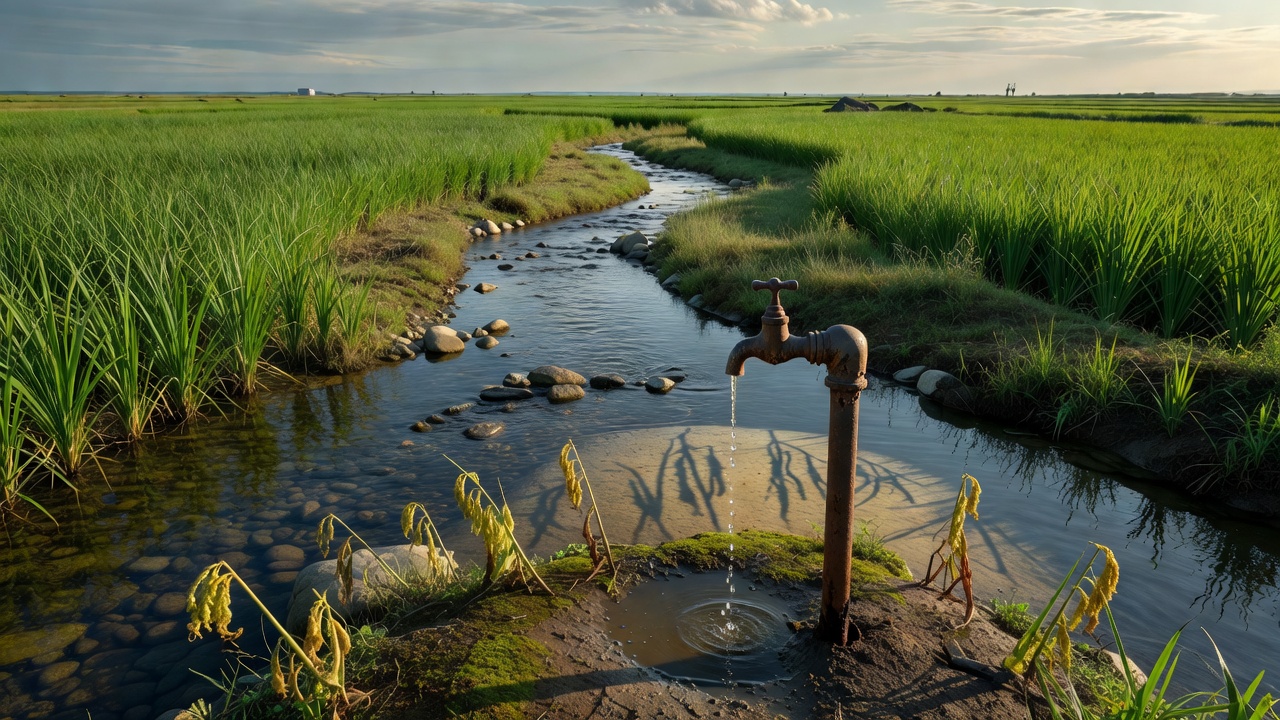
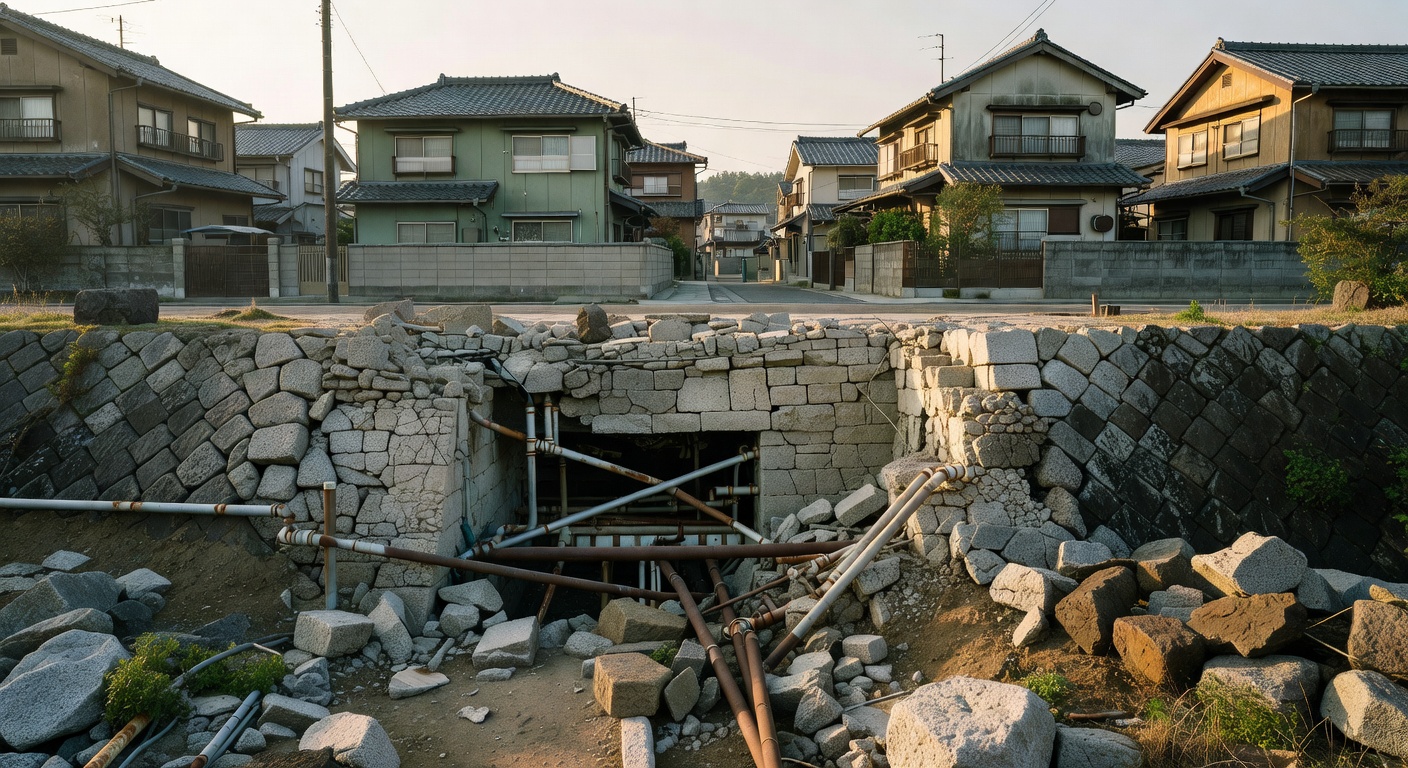
Osaki Kamijima has no bridges. It takes about 30 minutes by ferry from the port of Takehara City in Hiroshima Prefecture to reach this island, home to approximately 7,000 people, floating in the Seto Inland Sea. To get there, one must still rely on boats. The absence of bridges means that logistics costs are always added on. Even if farmers grow crops, it takes time and shipping fees to deliver them to the mainland market. For island farmers, simply “producing good products” is not enough. Without a “delivery system,” the fruits of their labor remain in the fields.
In 2024, Hirogin Holdings (Hirogin HD) signed a comprehensive partnership agreement with Osaki Kamijima Town regarding regional revitalization. The agreement includes a wide range of collaboration items such as attracting businesses, supporting child-rearing, and promoting tourism. However, what is noteworthy is the movement that preceded this agreement. Hiroshima Bank, part of the Hirogin HD Group, has been engaging with local businesses on the island, gaining insights into the regional economic structure through transactions. The agreement did not come out of nowhere; it was the result of the accumulation of mundane daily transactions.
Mayor Masayoshi Tanigawa of Osaki Kamijima Town stated, “This island has many treasures. I want to present them to the world and turn them into something good.” When the mayor uses the word “treasures,” it is not just a flowery phrase from a tourism brochure. It refers to the products that the island’s residents create with their hands every morning.
A Half-Century of Fields on the Brink of Losing Their Market
On a hillside of the island, there is a blueberry farm. The couple has been tending to this farm for nearly 50 years. Osaki Kamijima enjoys a warm climate in the Seto Inland Sea, with long hours of sunlight. The blueberries have a good balance of sweetness and acidity, and the berries are large. They were confident in their quality.
However, the situation has become increasingly difficult in recent years. The price of imported frozen blueberries is less than half that of domestically produced ones. Buyers at mass retailers organize their shelves based on price. Once the ferry costs and transportation fees from the island to the mainland are added, there is no chance of winning in price competition. Additionally, the couple is aging. During the summer harvest season, hand-picking in the scorching sun is a test of their physical limits. “Can we continue like this?”—that question weighed heavily on them after each harvest.
Hiroshima Andersen’s Decision to ‘Buy’
It was Hiroshima Andersen that extended a helping hand. This bakery restaurant, based in Naka Ward, Hiroshima City, has supported Hiroshima’s food culture as part of the Takaki Bakery Group. They have made product development using local ingredients a pillar of their management policy and have a track record of transactions with farmers throughout the prefecture.
The background to Hiroshima Andersen’s interest in Osaki Kamijima’s blueberries is said to be the information connections facilitated through the Hirogin HD Group. The bank gets to know local businesses, and that information connects to the purchasing departments of food companies. Rather than flashy matching events, it is through everyday transactional relationships that stories about “such farmers exist” flow—this understated circuit functioned here.
Hiroshima Andersen decided to incorporate Osaki Kamijima blueberries as ingredients for their breads and sweets. What is important is that they created a system for continuous purchases, not just a one-off “support purchase.” What farmers need most is not a single act of goodwill, but a promise of “we will buy again next year.” If the sales destination is stable, they can plan their cultivation. They can also invest in updating their equipment. Supporting them as a system changes the farmers’ time frame.
After starting transactions with Hiroshima Andersen, the couple’s farm was able to manage harvest quantities more systematically. The fact that there is a “destination for delivery” has made their morning trips to the fields a bit lighter.
Shading Cultivation of Myoga—Another ‘System’ of the Island
Agriculture on Osaki Kamijima is not limited to blueberries. Myoga, which reaches its peak shipping season in the summer, is also an important product of the island. Notably, the island’s farmers have independently established a shading cultivation technique. By covering the fields with black shading sheets and adjusting the amount of light, they grow vibrant and less bitter myoga. While it requires effort, the difference in quality is clear, and it is highly regarded in the market.
What can be seen here is the fact that the island’s farmers have already made the judgment that “if we cannot win on price, we will differentiate ourselves through quality and technique.” Both blueberry farmers and myoga farmers faced the same question in their respective fields. To continue farming on an island without bridges, how do they differentiate themselves? The answer is reflected in one case through varieties and soil preparation, and in the other through the technique of shading cultivation.
Although the angles are different, the conclusion is the same: to refine “what can only be produced on this island.” When that endeavor catches the attention of companies from outside and connects as a system, the island’s economy begins to shift from a closed loop to an open one.
Reading the ‘Contents’ of the Agreement—Whose System Makes Life Easier?
Returning to the comprehensive partnership agreement between Hirogin HD and Osaki Kamijima Town, the items listed in the agreement are diverse. Attracting businesses, promoting migration, supporting child-rearing, promoting tourism, and advancing digitalization—all are standard fare for regional revitalization. However, the value of the agreement should be measured not by the number of items but by “who it makes easier.”
What the island’s farmers seek is not subsidies or awards. They need a stable sales destination and a system that alleviates the burden of logistics. The network that Hirogin HD possesses as a financial institution—its database of client companies and credit information connecting businesses—can serve as infrastructure to connect the island’s producers with buyers on the mainland. When the bank fulfills the role of not only providing loans but also acting as a “connecting function,” the agreement transforms from a paper promise into a system that actually eases people’s burdens.
The structure through which Hiroshima Andersen supports blueberries and the structure through which Hirogin HD circulates regional information cannot be sustained by individual goodwill or enthusiasm alone. The question is whether it has become a “system” that continues to operate even when personnel change or management transitions occur.
The Structure of ‘Continued Connections’
What has become clear through the interviews is that the economic circulation of Osaki Kamijima did not emerge from a single grand plan. There are daily transactions between the bank and island businesses, and within those transactions, the farmers’ struggles become visible, leading to the creation of a purchasing system. One connection leads to another, and they chain together to form an economic circuit.
The “treasures” that Mayor Tanigawa speaks of likely refer not only to blueberries and myoga themselves. They encompass the hands of the couple who have preserved the fields for half a century, the wisdom of the farmers who devised shading cultivation, and the interconnected relationships that “discover, connect, and continue to buy” these products—all of these together constitute the island’s treasures.
On an island without bridges, the continued connections are built as a system. There are no flashy numbers yet. However, there will be blueberries delivered next year, bread baked next year, and shipping boxes loaded onto ferries next year. It is this chain of “next year too” that forms the most solid foundation of the local economy.
In the mornings on Osaki Kamijima, the footsteps heading to the fields are a little lighter. It is not the weight of a grand word like hope, but rather the weight of a small fact: “there is a destination for delivery.”


 JA
JA EN
EN