



Aquariums Produce 4 Tons of Seawater Daily, New Rice Variety ZR1 Withstands High Temperatures, and Tea Fields Look Overseas—The Quiet Current State of “Reconstruction Technology”

Related Articles
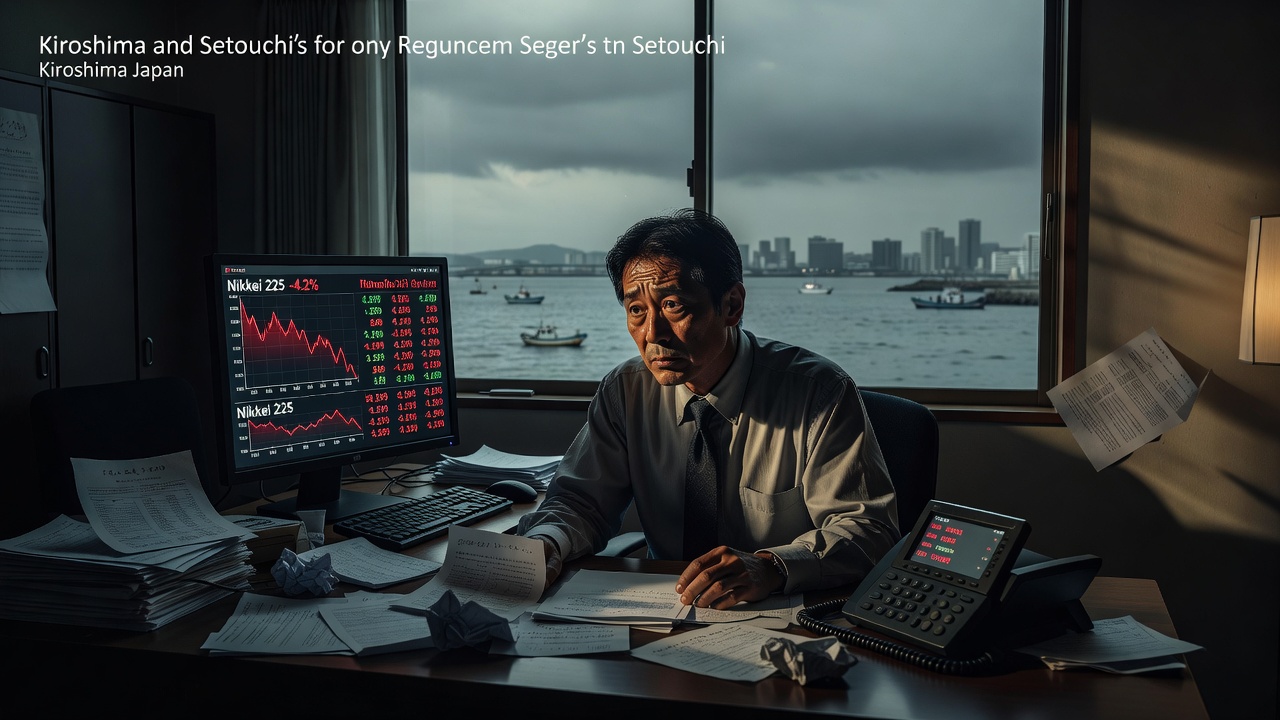
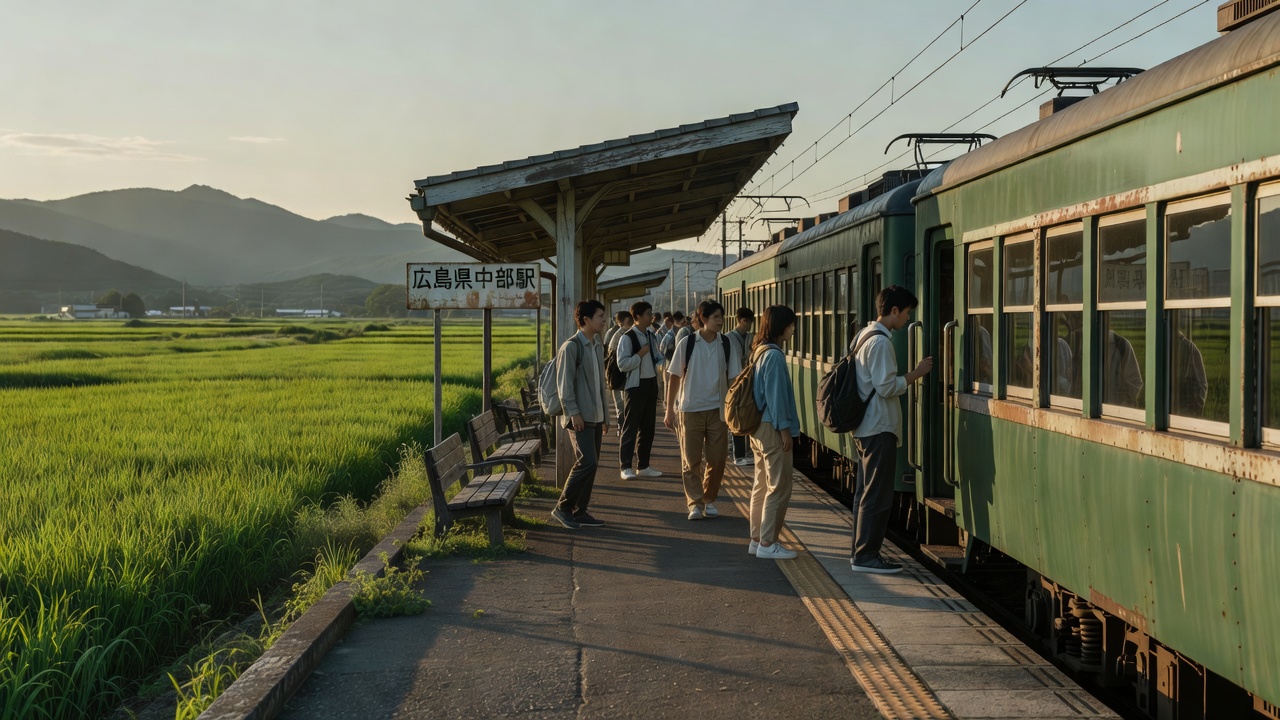
Aquariums Produce 4 Tons of Seawater Daily
Instead of simply accepting nature as it is, we “reconstruct” it with our own hands. — In three completely different locations in Hiroshima, work with the same structure is quietly underway. An aquarium artificially generates 4 tons of seawater every day, an agricultural corporation introduces a new rice variety that withstands high temperatures, and a tea specialty shop creates tea fields from scratch, aiming for overseas markets. None of these are flashy inventions. However, in an era where natural conditions have changed, these three endeavors are deeply connected in their aim to “redesign the environment itself.”
—
Behind the Scenes of the Aquarium—Creating the Sea
At the “Hiroshima Motomachi Aquarium,” which opened in Hiroshima’s Naka Ward in 2024, approximately 4 tons of artificial seawater are generated daily. For an inland urban aquarium, ensuring a stable supply of natural seawater is not easy. Therefore, they mix sodium chloride, magnesium, calcium, and trace elements in proportions equivalent to seawater using dedicated dissolution equipment, managing temperature, salinity, and pH for each tank—this process supports the lives of the creatures within.
Dissolving table salt in water does not create seawater. Seawater contains over 60 elements, and if that balance is disrupted, it directly affects the osmoregulation of fish and the skeletal formation of corals. The figure of 4 tons translates to 8,000 bottles of 500 milliliters each. This is produced every morning, with water quality measured and fine-tuned. Behind the visitors’ exclamations of “how beautiful” in front of the tanks lies a mundane setup surrounded by pipes and instruments.
The aquarium’s “Backstage Tour” opens up this behind-the-scenes work to visitors. By showcasing the artificial seawater dissolution tanks, filtration system piping, and water quality monitoring screens—elements that are usually hidden—it becomes an educational program that allows participants to experience “what it means to maintain the sea.” Children are often more surprised by the amount of effort required to maintain that beauty than by the beauty itself.
As climate change leads to rising sea temperatures and acidification, the technology for artificial seawater is shifting from being a “substitute for breeding” to a “technology that can recreate the environment in a controllable manner.” If the natural sea is changing, then the “ideal sea” must be redesigned within the tanks. The role of the aquarium is beginning to extend beyond that of a mere exhibition facility; it is gradually, but surely, increasing its function as a backup hub for marine environments.
—
New Rice Variety ZR1—Redesigning Rice Cultivation for Hot Summers
In the Sunada district of Serakichi, Hiroshima Prefecture, at an elevation of about 400 meters, the planting of the new rice variety “ZR1” began in conjunction with the extended holiday period in 2025. ZR1, developed by the National Agriculture and Food Research Organization (NARO), is said to maintain starch fullness even under high temperatures during the ripening period and to produce fewer white immature grains—commonly known as “shirata.” Additionally, it has high yield potential. A local agricultural corporation has taken notice of this variety and has embarked on full-scale cultivation in Serakichi.
The background to this is the recent heatwaves that have impacted the quality of rice. In western Japan, including Hiroshima Prefecture, there have been consecutive years of declining ratios of first-grade rice due to rising average summer temperatures. With traditional main varieties, no matter how much effort is put into water management and fertilization, if temperatures exceed a certain threshold, quality cannot be maintained. This structural issue, which cannot be fully addressed by farmers’ efforts alone, has called for an update to the “blueprint” of rice varieties.
The introduction of ZR1 signifies more than just a switch to “heat-resistant rice.” Changing the variety also alters the sowing period, fertilization design, harvesting timing, and drying and processing conditions. In other words, replacing a single variety is almost equivalent to restructuring the entire cultivation system. What the agricultural corporation in Serakichi is attempting is a redesign of rice cultivation that incorporates “hot summers” as a premise rather than an exception.
The location at an elevation of 400 meters means that summer temperatures are slightly lower compared to flatlands, and there is a significant temperature difference between day and night. When this condition combines with ZR1’s heat resistance, it will be interesting to see how far quality and yield can be balanced. The upcoming autumn harvest will provide one answer.
—
Creating Tea Fields from Scratch—Why “Hiroshima Tea” from Onomichi is Looking Overseas
A tea specialty shop in Onomichi City is establishing new tea fields in Serakichi and Mitsugi districts. Hiroshima Prefecture is not a major tea-producing region on a national scale. Therefore, the choice to design a comprehensive system from cultivation to processing and sales, independent of existing regional brands, and to launch a new brand called “Hiroshima Tea” is a viable option.
What is particularly interesting about this project is that it has been conceived with the overseas market in mind from the beginning. The global demand for Japanese tea is expanding—especially the matcha and sencha boom in Europe, the United States, and Asia is clearly reflected in the Ministry of Agriculture, Forestry and Fisheries’ export statistics. The export value of Japanese tea in 2024 continues to set new records, and there is robust demand for tea leaves that come with quality control and stories from their production areas. Being a latecomer, the strategy of directly connecting to new overseas demand rather than competing for existing shares in the domestic market is logical.
Creating tea fields takes time. It typically takes 3 to 5 years from planting seedlings to being able to harvest in earnest. During this period, groundwork such as soil improvement, drainage design, and frost prevention measures continues. Whether the climate conditions in Serakichi and Mitsugi—cool morning fog, moderate sunlight, and well-drained slopes—are suitable for tea cultivation will be proven over the years as the fields mature.
It is noteworthy that this initiative is designed not only to “sell tea” but also to create new crops and employment in the hilly and mountainous regions. Once established, tea is a perennial crop that can be harvested for decades, making it a potential cornerstone for long-term land use plans in aging regions. A small project initiated by a single tea specialty shop in Onomichi is gradually rewriting the agricultural structure of the region—there is a beauty in this nested expansion as a system.
—
Common Threads Among the Three Locations—The Quiet Technology of “Redesigning the Environment”
The aquarium is reconstructing seawater, the agricultural corporation is restructuring cultivation systems, and the tea specialty shop is creating tea fields themselves—each is “reconstructing” the environment they need. What they share in common is the attitude of not lamenting the changes in natural conditions but rather redesigning their systems with those changes as a premise.
Another commonality among the three locations is that none of them involve “immediate visible results.” Artificial seawater must be produced daily to maintain the tank environment. The true value of ZR1 will not be known until the autumn harvest. The tea fields will not be fully operational for several years. All of these endeavors rely on the accumulation of invisible time, and therefore, a design that operates as a system is required.
“Reconstruction technology” is often understated. It does not change the world overnight like a new algorithm. However, within the pipes that produce 4 tons of seawater daily, within the genes of rice that withstand high temperatures, and within the newly sprouted tea seedlings, there flows a quiet determination to continue living in this land.
What the three locations in Hiroshima demonstrate is not flashy innovation but the “power of reconstruction” embedded in daily routines. — That power is making someone’s life a little easier.


 JA
JA EN
EN