



Driven by People, Bearing Fruit, Welcoming Guests: The Mechanism of External Forces Turning Setouchi

Related Articles
Three Types of “Outside” Forces Moving on the Same Sea
A somewhat mysterious phenomenon is occurring along the Setouchi coastline.
In Hiroshima Prefecture, a bus driver from Indonesia is gripping the steering wheel of a local bus, olive oil from Etajima has won the highest award at an international competition for eight consecutive years, and the presence of foreign tourists in the shopping streets of Onomichi has become a daily sight. Although these are news stories told in different contexts, when placed side by side, a single structure emerges. Three types of “outside forces”—people, goods, and customers—are quietly but surely beginning to turn the daily life of this region.
This is not a simple story of “foreigners coming and revitalizing the region.” What needs to be examined is how the receiving mechanisms have been organized in each case—this is where the real insights lie.
—
A Recruitment Blueprint That Began with “No Drivers”
The news that Hiroshima Kotsu has hired two bus drivers from Indonesia in 2024 may initially appear to be an example of measures taken to address labor shortages. However, it is important to note that these two individuals have prior experience working in Japan as technical interns.
The shortage of bus drivers in Japan’s bus industry is serious. According to a survey by the Ministry of Land, Infrastructure, Transport and Tourism, the effective job openings-to-applicants ratio for bus drivers is about twice the average for all occupations, and the reduction and discontinuation of local routes are accelerating nationwide. Hiroshima Prefecture is no exception, and maintaining routes connecting mountainous areas and islands is becoming increasingly challenging.
In this context, Hiroshima Kotsu chose to welcome “former interns who already know Japanese and the local road conditions” as drivers. Support for obtaining a large vehicle license, customer service training in Japanese, and advance explanations to local residents—behind the recruitment process lies a complex series of arrangements to send a single driver out on the route.
What is crucial is that this is structured not as “special goodwill” but as a “replicable mechanism.” Hiroshima Kotsu has indicated its intention to continue hiring foreign drivers, and similar initiatives could serve as a reference for other local transportation operators. However, challenges remain regarding residency requirements and alignment with licensing systems. Since this is an area where the efforts of individual companies have their limits, the question is whether this mechanism can expand.
The operation of a bus signifies that there is a life beyond it. Even if the nationality of the driver changes, the bus stop where passengers disembark remains the same.
—
Eight Consecutive Years of Top Awards—Not Just Explained by the “Climate of Setouchi”
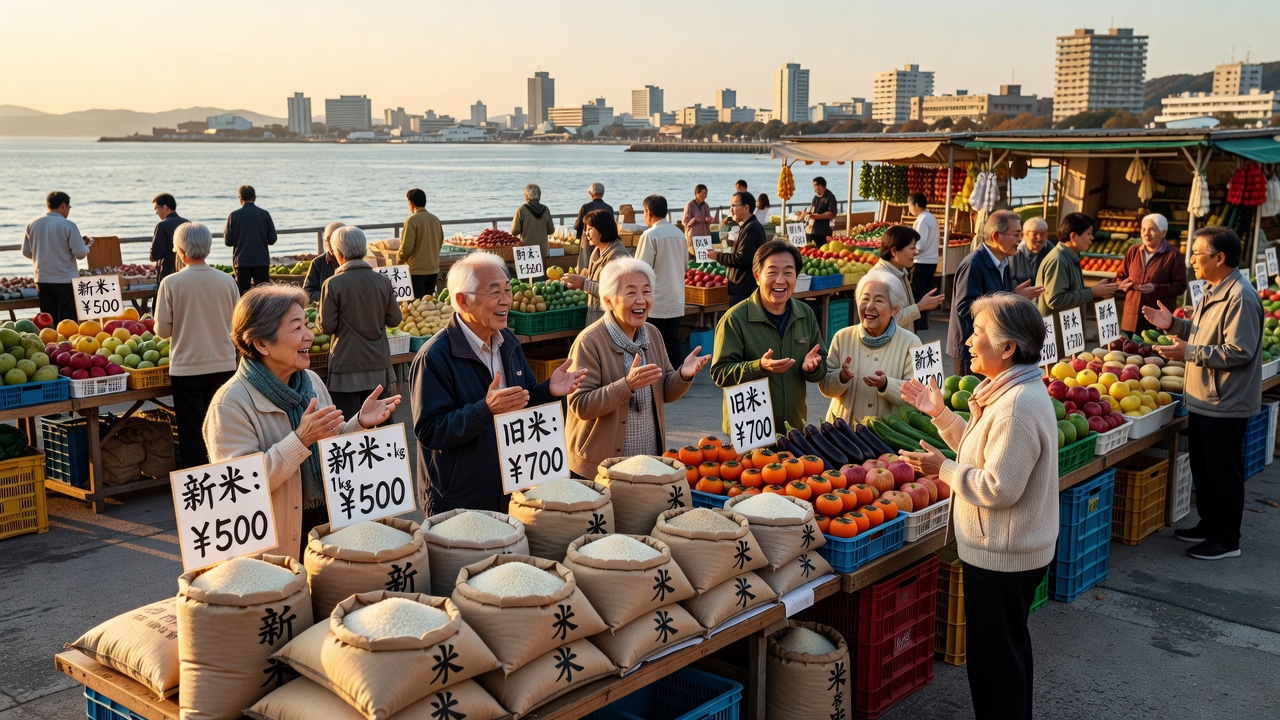
Etajima’s olive oil has won the highest award at an international competition for eight consecutive years. To attribute this solely to the “mild climate of Setouchi being suitable for olive cultivation” is somewhat insufficient.
It is true that the climate is suitable. However, there are several regions in Japan that cultivate olives, including Shodoshima. The reason Etajima has consistently received international recognition lies in its obsession with managing the processes from cultivation to oil extraction.
The city of Etajima began earnestly promoting olive cultivation in the 2010s. The overlap of the challenge of utilizing abandoned farmland and the goal of creating new local specialties presented the option of olives. Notably, the quality control standards were set from the outset to be at a level recognized in international competitions. Rather than being souvenirs for local consumption, the goal was to achieve quality that could withstand the scrutiny of global experts—this objective spurred the refinement of cultivation techniques and investment in oil extraction facilities.
Incorporating “external evaluation standards” as one’s own measure is the essential strength of Etajima’s olives. The figure of eight consecutive years is not a matter of one-time luck; it is proof that quality can be maintained as a system.
The significance of local agricultural products being recognized in the international market goes beyond mere sales increases. The fact that “what is produced here is recognized worldwide” becomes a source of pride for producers and a reason for the next generation to continue farming in this land. While the olive variety was brought in from outside, it is the island’s soil, water, and human hands that have nurtured it.
—
What is Happening in Onomichi’s Shopping Streets—Questions Beyond “Customers Coming”
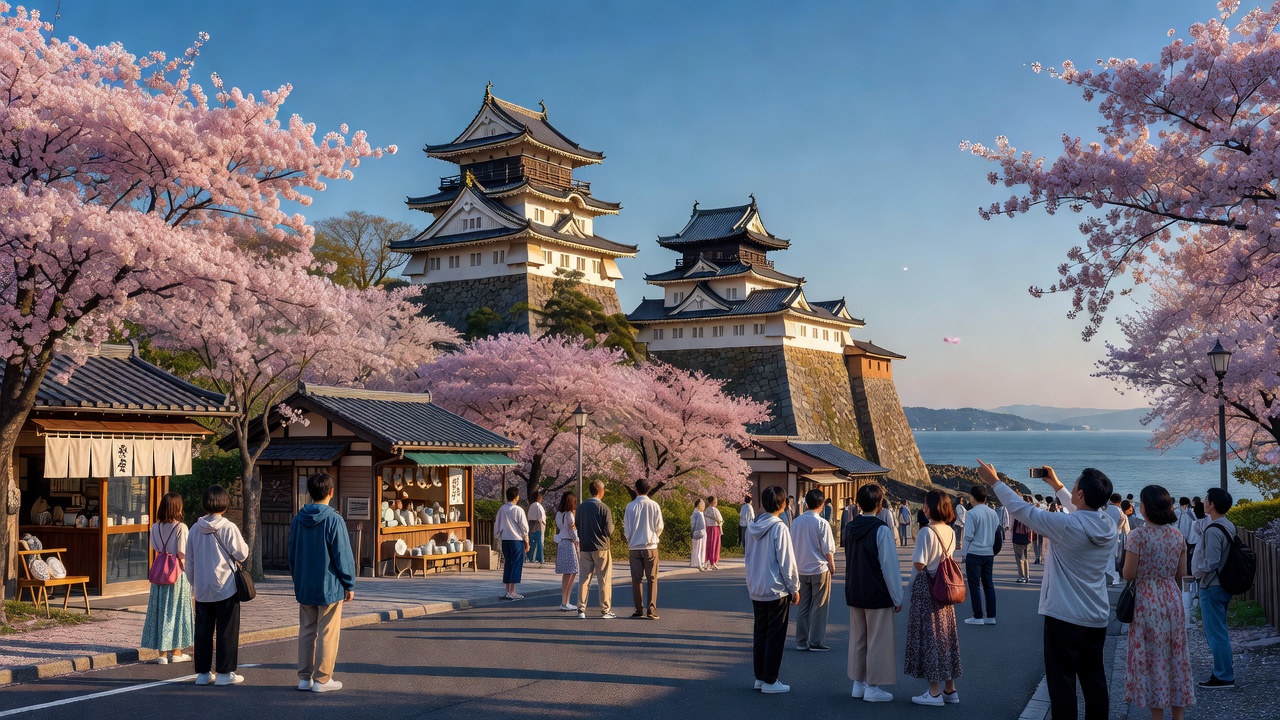
Walking through the Onomichi Hondori shopping street, one naturally hears English, Chinese, and Korean. Known for its hilly streets, cats, and film culture, Onomichi has recently gained recognition among foreign tourists visiting Japan as “a place worth extending their trip from Hiroshima.”
The influence of social media is significant. The view from Senkoji Temple, the cats in the back alleys, and the retro atmosphere of the shopping street—photogenic scenes have spread on overseas social media, leading to an increase in individual travelers. In response, new businesses are opening in the shopping street. Cafés using local ingredients, guesthouses renovated from old houses, and select shops selling original souvenirs are lighting up a shopping street that previously faced high vacancy rates.
However, there is something to pause and consider here. Who benefits from the increase in tourists?
Whether the new businesses are run by local residents or newcomers and investors from outside alters the structure of profit circulation. Is the rise in rent putting pressure on existing stores? Are stores catering to tourists increasing while those used by local residents are decreasing? We must not overlook the texture of daily life behind the phrase “vitality has returned.”
It is rational for Onomichi City to enhance experience programs and events for tourists, as this increases both the duration of stay and spending. However, where to strike a balance between tourism and daily life involves judgments that cannot be measured by numbers alone. Whether local elderly residents shopping under the arcade can coexist naturally with foreign tourists taking photos—this landscape will serve as a mirror reflecting the success or failure of these efforts.
—
A Common Structure Across Three Scenarios
Bus drivers, olive oil, tourists. What is common across these three topics is that when “something from outside” enters the region, the mechanisms to receive it were already prepared in advance.
Hiroshima Kotsu proceeded with recruitment after establishing support for obtaining licenses and training systems. Etajima cultivated olives after building an international standard quality management system. Onomichi welcomed tourists after advancing schemes for utilizing vacant stores and improving tourism infrastructure.
None of these scenarios relied on the notion of “things worked out because they came,” but rather on the sequence of “things came because we prepared to receive them, and they became a force.” If this order is mistaken, the forces from outside will only result in friction.
The Setouchi region has historically been connected to the “outside” through the sea. As a port of call for the Kitamaebune, a military port, and a shipbuilding town—it has always accepted people, goods, and information from outside and transformed them into its own strength. What is happening now is merely the latest chapter in that long narrative.
—
What to Watch Going Forward
Each of the three scenarios presents its own set of questions.
Regarding bus drivers, can the recruitment mechanism be applied to other operators and professions? The versatility of the system design will be tested. For olive oil, how will the generational transition of producers who have supported eight consecutive years of awards progress? Can the system transcend individualism? For Onomichi’s shopping street, will a sustainable economic structure remain when the wave of tourists recedes? How to diversify the risks of dependence on inbound tourism will be a challenge.
All of these scenarios are entering a phase where the modest arrangements behind the glamorous results—system design, quality management, urban planning—are being scrutinized.
“External forces from outside” can serve as a catalyst. However, it is the rooted mechanisms of the land and the hands of people operating within those mechanisms that continue to sustain it. The Setouchi sea may appear calm, but beneath the surface, complex currents are constantly in motion. The same can be said for the region.


 JA
JA EN
EN