



A Villa and Marina in Onomichi, Exclusive Accommodation for One Group on Ikuchijima – Can ‘One Group Per Day’ Change Tourism in Setouchi?

Related Articles
1 Group Per Day: A System That Raises Questions
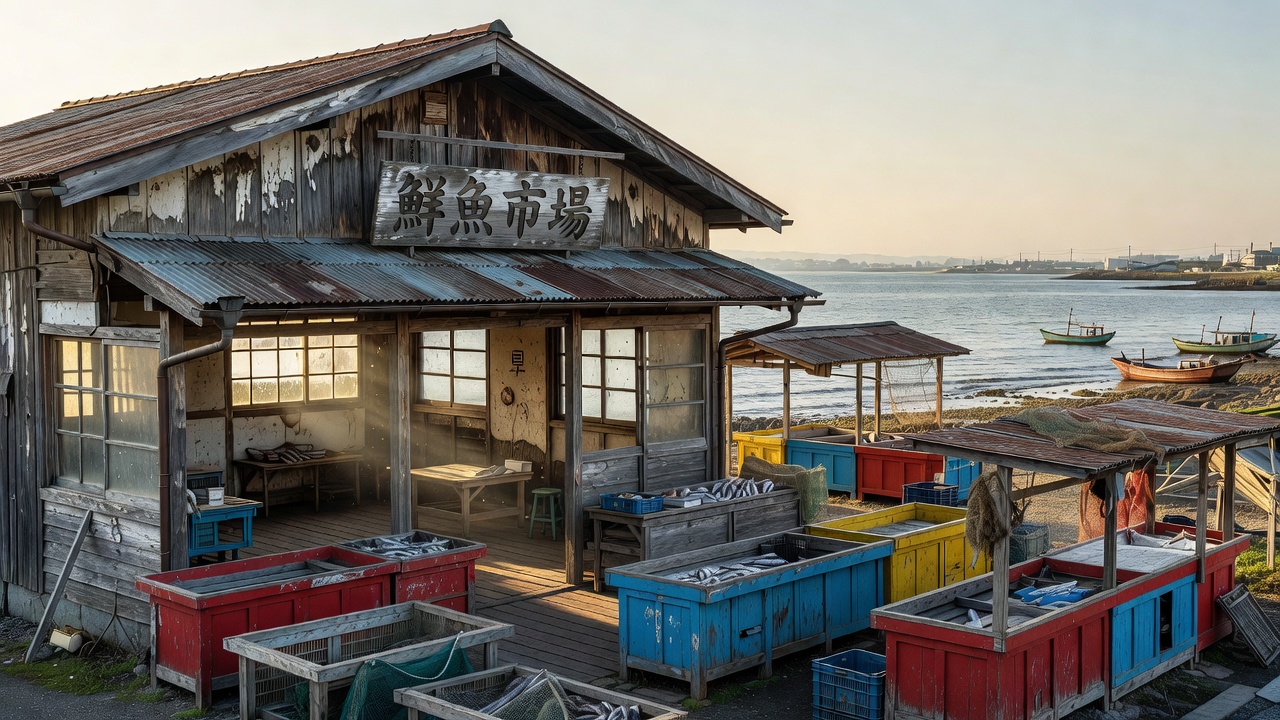
The Seto Inland Sea appears to belong to someone, even though it belongs to no one—this is the illusion evoked by the landscape. Crossing a bridge from Onomichi, passing through Mukojima, and heading to Ikuchijima via the Shimanami Kaido, one encounters a beauty of many islands that has long been a cliché in tourism brochures. However, the way this landscape is being presented is quietly changing.
The “SOLARINA SETODA VILLA,” which will begin accepting reservations on September 6, 2026, is set to open as a private villa that accommodates only one group per day on Ikuchijima. It will feature a marina and is planned as a whole-property rental accommodation facing the Seto Inland Sea. Notably, this facility aims to contextualize the recent tourism trend of “small groups, high prices, and experiential offerings” within the unique setting of Setouchi, rather than merely being a luxury accommodation.
This approach fundamentally differs from traditional models that accommodate large numbers of tourists and generate revenue through turnover. With one group per day—meaning that space is exclusively theirs for that day—this is not just a display of luxury but also an answer to the question of “how to deliver the time of this land to whom.”
Who Benefits from ‘One Group Per Day’?
When viewed solely from the perspective of the guests, this system may seem to be about providing a “premium experience.” However, shifting the perspective slightly reveals another structure.
The islands of the Setouchi region are facing chronic labor shortages, and the accommodation industry is no exception. Operating large facilities requires a significant number of staff, but with a model that accommodates only one group per day, it is possible to maintain profitability through higher prices while keeping operational scale manageable. In other words, this system is designed to reduce the burden on workers while leaving economic benefits for the region.
In fact, in the Setouchi area, there has been a recent trend of increasing whole-property rental accommodations that cater to one group per day. In addition to islands like Naoshima and Teshima, which have gained attention in the context of art tourism, small, high-quality accommodations are beginning to appear on islands along the Shimanami Kaido, such as Ikuchijima and Omishima. This trend is driven not only by the demand for “travel that avoids crowds” that has emerged since the COVID-19 pandemic but also by the need for local accommodations to operate sustainably.
“One Group Per Day” represents a sense of exclusivity for guests while also ensuring sustainability for operators. Failing to recognize this dual significance may lead to a misunderstanding of the essence of this movement.
Fig Picking in Onomichi and Mukojima: Where to Place the ‘Point of Experience’
Accommodations alone often struggle to preserve the memories of a place. What one engages with during their stay and who they converse with shapes the contours of the journey.
On Mukojima, just a few minutes by ferry from Onomichi, fig picking is a popular autumn activity. The main variety is “Hōraishi,” and Hiroshima Prefecture ranks among the top producers of figs in Japan. The cost for the harvesting experience varies by farm but generally ranges from 1,500 to 2,000 yen per person. Guests can enjoy freshly picked figs on-site and take some home as well. The season typically runs from late August to the end of October.
What is crucial here is not just the appeal of fig picking itself but how the “point of experience” between accommodation and activity is designed. Staying at the villa, taking the ferry to Mukojima the next morning, and harvesting figs at the farm—when this sequence culminates in a dessert for dinner, the meaning of “One Group Per Day” deepens.
Harvesting at a distance where one can see the face of the producer and tasting the seasonal bounty of the land directly creates brief exchanges between tourists and producers—”This year, we had more rain, so the sweetness is different”—such words convey the warmth of the land more effectively than any brochure copy.
Shipbuilding District and Ferry Life: Where ‘Movement’ Becomes the Landscape
When discussing the attractions around Onomichi, the experiential value of the ferry as a “means of transportation” is often overlooked.
The ferry that connects Mukojima and Onomichi across the Onomichi Strait costs about 100 to 120 yen for adults one way (depending on the route). The journey takes only 3 to 5 minutes. This ferry, which serves as a daily transport for local residents, also carries tourists. Commuters with bicycles, elderly shoppers returning home, and travelers with cameras—all of this diversity contributes to the landscape of this area.
The area known as “Shipbuilding District” visible from the ferry is lined with shipyards and docks along the Onomichi Strait, creating a unique view with massive cranes and ship hulls reflected on the water’s surface. As interest in factory nightscapes and industrial heritage grows, this scenery conveys the charm of Setouchi from a different angle than the beauty of many islands.
There are no observation decks or audio guides prepared for tourists here. One simply boards the ferry and gazes out the window. The absence of any “preparations” sharpens the traveler’s senses. The structure of the daily ferry service inadvertently becomes a tourist resource—this nested structure is what makes the land of Onomichi interesting.
Redesigning the Way We Deliver, Not Just Moving from Quantity to Quality
The phrase “moving from quantity to quality” has been repeated in the context of tourism for many years. However, there are aspects that cannot be captured by this phrase alone.
The villa on Ikuchijima, fig picking on Mukojima, and the ferry on the Onomichi Strait—each exists within different contexts and operated by different businesses. However, when these elements connect as part of a single stay, the way Setouchi is delivered changes. Enhancing the quality of individual tourist resources and designing the pathways that connect them are similar yet distinct tasks.
As the “SOLARINA SETODA VILLA” approaches its opening in 2026, many details regarding how it will consciously design these “connections” remain unclear. The inclusion of a marina suggests the potential for new pathways of access from the sea, but how this connects with the region’s existing transportation infrastructure and tourist resources will be a point of interest moving forward.
The Setouchi islands already have high-quality accommodations like “SOIL SETODA” and “Azumi Setoda” on Ikuchijima, expanding travelers’ choices. With the addition of a villa that accommodates only one group per day, a situation may arise where multiple accommodation styles coexist on this small island. Whether this structure can enhance the overall value of stays on the island rather than create competition will be tested.
To Whom Will We Deliver the Time of This Land?
The system of one group per day may seem like an exclusive luxury. However, behind it lies the wisdom needed to sustain the accommodation industry on an island facing labor shortages and a design aimed at delivering the land’s time as it is.
Not a parking lot for large buses, but the shipyard visible from the ferry deck. Not packaged figs lined up in a supermarket, but the warmth of freshly picked figs from the farm. Not the attentive service at a front desk, but the tranquility of an entire villa—.
If tourism in Setouchi is to progress to the next stage, it will not be through the opening of flashy new facilities but through the quiet alignment of existing practices and new delivery systems. Whether the villa by the seaside on Ikuchijima can become one of those small gears will be determined from the day after the first group gazes at the morning Seto Inland Sea through the window.


 JA
JA EN
EN