


Delay in Oyster Harvest by One Month, Three Key Carp Players Declare Free Agency – What Will Be Revealed in Hiroshima’s Autumn as Both ‘Symbols’ Are Shaken Simultaneously?

Related Articles
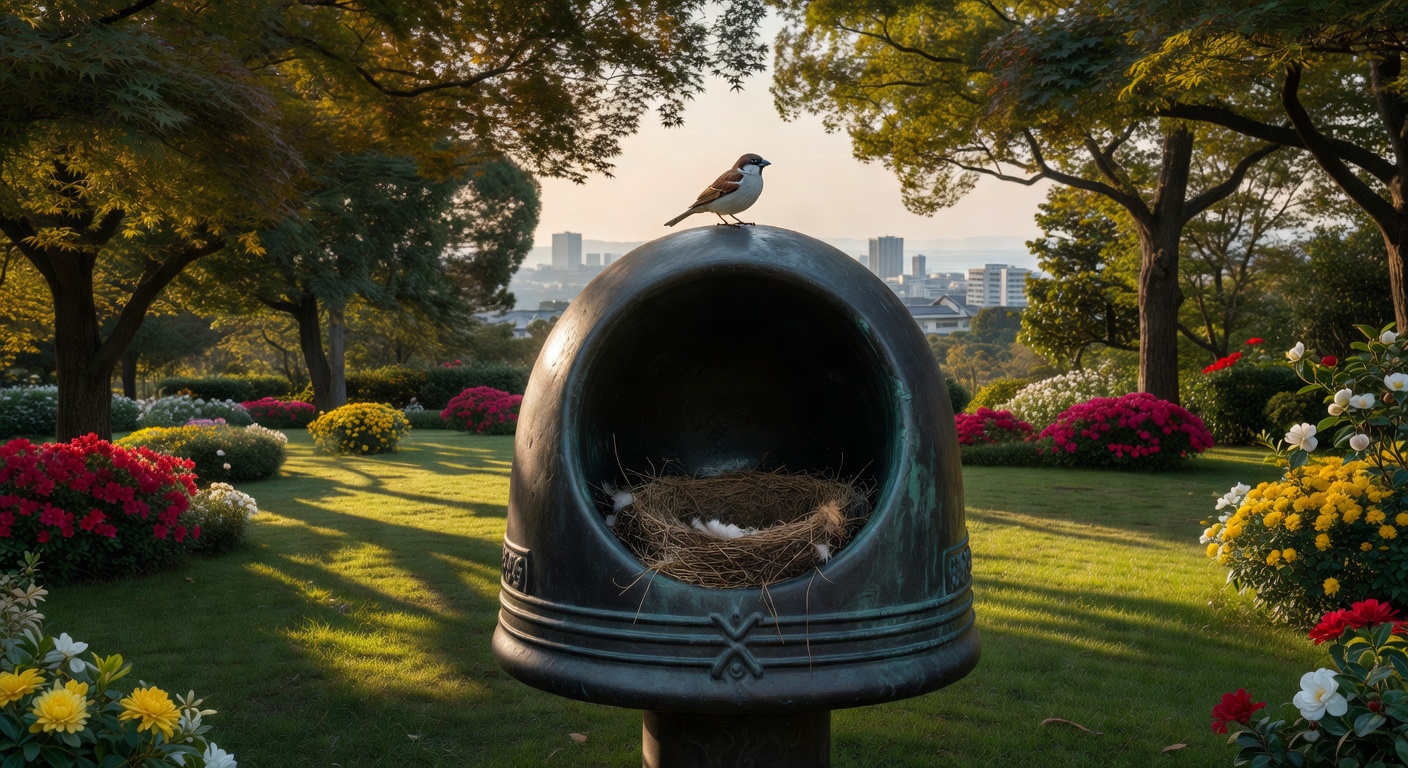
Two ‘Symbols’ Shaken Simultaneously in Autumn
Hiroshima’s autumn begins with two distinct scents – the aroma of the sea and the smell of the stadium’s soil.
In October, oyster rafts float in the Seto Inland Sea, while cheers echo in Mazda Stadium as the season nears its end. However, this year, an unusual situation has arisen during this overlapping season. The start of the oyster harvest has been delayed by about a month compared to previous years, and for the first time in the history of the Carp, the possibility of three key players declaring free agency in the same offseason is becoming a reality.
This may seem like a mere coincidence. Yet, when viewed from a broader perspective, there is a common structure underlying these two ‘shakes’ – the very mechanisms that have supported the region’s symbols are quietly creaking.
—
Delay in Oyster Harvest – Structural Risks Reflected by Changes in the Sea
What a One-Month Delay Means
Hiroshima Prefecture accounts for about 60% of the country’s oyster production, with an annual production value of approximately 20 billion yen. The harvest is typically opened in early October, but this year, due to persistently high seawater temperatures, the harvest has been pushed back to November.
The figure of “one month” is not just a matter of the calendar. The opening of oyster huts has been delayed, and restaurants are facing peak business periods without being able to offer their signature dishes. In Kure City and Hatsukaichi City, the timing of tourist visits aimed at oysters is misaligned with supply, leading to lost opportunities.
Consumption related to oysters in Hiroshima Prefecture is said to reach tens of billions of yen during the season. If the effective sales period is shortened by one month, the impact could easily amount to several hundred million yen.
The ‘Temperature of Trust’ Reflected in Hometown Tax Donations
Another noteworthy figure is the reported approximately 15% decrease in hometown tax donations for Hatsukaichi City, where oysters are a key return gift.
Hometown tax donations can be seen as a “national vote of confidence in the region’s specialties.” The decline in donations is not merely a result of shortages leading to reduced orders. It reflects a question: “Are Hiroshima’s oysters going to be okay?” expressed in numerical form.
The rise in seawater temperatures is not just a problem for this year; the Seto Inland Sea has experienced a trend of high temperatures during summer for several years. While efforts are underway among fishermen to change the depth at which oyster rafts are installed and to diversify the sources of seed oysters, these measures remain largely at the level of individual producers’ ingenuity.
The crux of the problem lies in the fact that the mechanisms of the entire production area – production plans, distribution schedules, and tourism collaboration – have not yet caught up with the changes in the external environment caused by climate change.
—
Carp’s Three Key Players’ Free Agency – The Limitations of the ‘Grow and Release’ Structure
Historic First: Three Players Declaring Free Agency in the Same Offseason
This offseason, there is speculation that the Carp’s ace Hiroki Yokoyama, key starter Masato Morishita, and regular catcher Shogo Sakakura may exercise their free agency rights. If all three players declare free agency in the same offseason, it would mark a historic first for the franchise.
The Carp’s management structure is unique as a citizen team without a parent company. The cycle of drafting talent, developing them in-house, and seeing key players leave for free agency has been partially accepted by fans as a “fate.” Despite experiencing the loss of star players like Yoshihiro Maru and Seiya Suzuki, the team has consistently developed the next generation, achieving three consecutive championships starting in 2016.
However, this time the situation is somewhat different. The simultaneous potential loss of two pitchers and the regular catcher, who form the backbone of the team, raises the question of whether the very structure of ‘growing and releasing’ has reached a critical point.
Link Between Attendance and Local Economy
In the 2023 season, the Carp’s home game attendance was approximately 2 million. The economic ripple effect, including restaurants, accommodations, and merchandise shops around Mazda Stadium, has been estimated by the Hiroshima Chamber of Commerce to exceed 40 billion yen annually.
This figure assumes that the team maintains a certain level of competitiveness. If all three key players were to leave, a decline in performance the following season would be inevitable, potentially resulting in a 10-15% drop in attendance – meaning a decrease of 200,000 to 300,000 fans. Assuming an average in-stadium spending of around 5,000 yen per person, the direct reduction in consumption alone could amount to 1 to 1.5 billion yen. Including the ripple effects on surrounding businesses, this figure could multiply several times.
Fans’ emotions are even more complex. A local newspaper’s reader submission expressed, “My feelings of support haven’t changed. But every year, I find it a bit tough to watch, thinking ‘who will be gone next?'” This statement reveals a fatigue towards the structure.
—
Common Structure in the Two ‘Shakes’
Oysters and the Carp – while they may seem to be entirely different realms, when their structures are overlapped, remarkably similar outlines emerge.
| Oysters | Carp | |
|---|---|---|
| Scale as a Symbol | Approximately 60% national share; production value of about 20 billion yen | Approximately 2 million in attendance; economic ripple effect exceeding 40 billion yen |
| Cause of the Shake | Delay in harvest due to rising seawater temperatures | Loss of key players due to the free agency system |
| Fundamental Issues | Adaptation of the entire production area to climate change | Sustainability of the ‘development → outflow’ cycle |
| Ripple Effect | Hometown tax donations; tourism; dining | Attendance; surrounding commerce; regional pride |
Both share the commonality that the existing mechanisms are beginning to crumble under changes in the external environment (seawater temperature / free agency system). Moreover, the impact does not remain confined to a single industry but simultaneously ripples through multiple layers such as tourism, dining, and regional sentiment.
The characteristics of the city of Hiroshima lie in the deep connection between these ‘symbols’ and the region’s self-identity. Both oysters and the Carp are not merely industries or entertainment; they are among the first words that come to mind when explaining “what Hiroshima is.” Therefore, the psychological impact of both shaking simultaneously cannot be measured solely by economic indicators.
—
Reevaluating the Structure This Autumn – A Perspective on ‘Who to Make Comfortable’
So, what is being questioned in the face of this autumn’s headwinds?
Regarding oysters, it is essential to design a mechanism that allows the entire production area to respond to climate change, rather than relying solely on the efforts of individual producers – such as sharing water temperature monitoring, flexible shipping times, and diversifying risks through a shift to processed products. While some fishing cooperatives are already increasing the proportion of frozen processing, this has yet to be shared as a strategy for the entire production area.
As for the Carp, the free agency system itself is a right of the players, and discussions that deny it are misguided. What should be questioned is whether the team can create an environment that encourages players to want to ‘stay’ – not just in terms of salary, but also including facilities, coaching systems, and living foundations for players’ families. Within the constraints of a citizen team management structure, what should be prioritized and what should be changed? The design philosophy is being tested.
Both questions ultimately lead to the same conclusion. How much can the mechanisms ease the burdens of those working on the ground – fishermen, players, restaurant owners, and fans? Structures that rely on individual efforts may become beautiful stories in normal times, but they are the most vulnerable when the environment changes.
—
What Can Be Seen Beyond the Shakes
At the Kure City Oyster Festival, there was a fisherman who displayed local seafood instead of the delayed oysters. “Even if the oysters aren’t ready, there are other things from the sea. I want people who come to take something home,” he said. That decision is not found in any manual. Yet, it embodies the region’s resilience.
Carp fans have also continued to say, “We will support you no matter what,” every time a player leaves. The strength of those words is genuine. However, a structure that continues to rely on that strength will eventually wear people out.
This autumn, when both of Hiroshima’s symbols are shaking, presents an excellent opportunity to reevaluate the structures. The symbols may be shaking, but the pillars supporting them – the countless arrangements and relationships connecting the sea and people, the city and the stadium – are still there.
The question is how to reorganize those pillars. The answer lies only in the voices from the ground.


 JA
 EN